Why Lentils Are the World's Most Underrated Protein Source
Medical Disclaimer
This content is for educational purposes only. It is not medical advice, diagnosis, or treatment. Consult your doctor or registered dietitian before making dietary changes, especially if you have a medical condition or are taking medication.
In This Article
The Protein Hiding in Plain Sight
Every day, hundreds of millions of Indians sit down to a bowl of dal and rice. It is so ordinary, so unremarkable, that most people never stop to consider what they are actually eating from a nutritional standpoint.
They should. Because lentils are, gram for gram and dollar for dollar, one of the most nutritionally dense protein sources available to humans. And the way Indian cooking prepares and combines them may represent one of the most sophisticated nutritional traditions on the planet.
Lentils by the Numbers
One cup of cooked lentils (approximately 200 grams) provides:
- 18 grams of protein (roughly equivalent to 2.5 eggs or 75 grams of chicken breast)
- 16 grams of fiber (more than half the daily recommended intake)
- 40 grams of complex carbohydrates with a low glycemic index
- 37 percent of daily iron requirements
- 90 percent of daily folate requirements
- 49 percent of daily manganese requirements
- 36 percent of daily phosphorus requirements
- 230 calories total
The Protein Quality Question
This is where the conversation gets interesting, and where the standard Western critique of plant protein misses the point.
The Amino Acid Profile
Lentils are rich in most essential amino acids but are relatively low in methionine and cysteine (sulfur-containing amino acids). This is the basis for the common claim that lentil protein is "incomplete."
That claim is technically accurate but practically misleading.
Why Completeness Is a Misleading Framework
The concept of "complete" versus "incomplete" protein was popularized in the 1970s and has been progressively revised by nutrition science since then. The current position of the Academy of Nutrition and Dietetics is that you do not need to combine specific proteins at every meal. As long as you eat a reasonably varied diet over the course of a day, your body gets all the amino acids it needs.
But here is the thing: Indian cooking already solves this anyway.
The Dal-Rice Combination
When you eat dal with rice, you are combining a legume (high in lysine, low in methionine) with a grain (high in methionine, low in lysine). The amino acid profiles are complementary. Together, they provide a complete amino acid profile with a protein quality score comparable to animal protein [4].
This is not a discovery. Indian cuisine has been doing this for thousands of years. Dal-chawal, dal-roti, rajma-chawal, chole-bhature. Every traditional Indian meal pairs a legume with a grain. The nutritional logic was embedded in the cuisine long before Western science articulated it.
Protein Digestibility
One legitimate critique of lentil protein is digestibility. Raw lentils contain antinutritional factors like trypsin inhibitors and phytic acid that can reduce protein absorption. However, cooking dramatically reduces these compounds. Soaking, sprouting, and pressure cooking, all standard Indian preparation methods, reduce antinutritional factors by 50 to 80 percent [4].
The traditional Indian method of cooking dal in a pressure cooker is, from a nutritional standpoint, one of the most effective ways to maximize lentil protein bioavailability.
What the Research Says About Lentils and Health
Blood Sugar Control
A 2009 meta-analysis of 41 randomized controlled trials found that pulse consumption (including lentils) significantly improved glycemic control in both diabetic and non-diabetic individuals [2]. Lentils have a glycemic index of 21 to 32, depending on the variety, which is remarkably low compared to most carbohydrate sources.
The mechanism is twofold. First, the high fiber content slows glucose absorption. Second, lentils contain resistant starch that is not digested in the small intestine, reducing the total glycemic load.
For the estimated 77 million Indians living with diabetes, this is not trivial. Research suggests that replacing a portion of rice with dal in a meal may significantly reduce the postprandial glucose spike.
Cardiovascular Health
A 2014 systematic review in the Canadian Medical Association Journal analyzed 26 randomized controlled trials and found that pulse consumption significantly reduced LDL cholesterol [5]. The average reduction was 5 percent, which is modest but meaningful when sustained over time. The researchers attributed this primarily to the soluble fiber content and the displacement of higher-fat protein sources.
Gut Health
Lentils are one of the best dietary sources of prebiotic fiber. The resistant starch and oligosaccharides in lentils serve as fuel for beneficial gut bacteria, particularly Bifidobacterium and Lactobacillus species. Research suggests that regular lentil consumption may support a more diverse and resilient gut microbiome.
Yes, this is also why dal causes gas in some people. The oligosaccharides that feed gut bacteria also produce gas during fermentation. This typically decreases as your microbiome adapts to regular lentil consumption. The traditional Indian practice of adding asafoetida (hing) to dal is a practical response, as research suggests asafoetida may have carminative properties that reduce gas formation.
Weight Management
The combination of high protein, high fiber, and low caloric density makes lentils exceptionally satiating. A review in Applied Physiology, Nutrition, and Metabolism noted that pulse consumption was associated with increased satiety and reduced subsequent caloric intake in multiple controlled feeding trials [1].
Put simply: a bowl of dal keeps you full longer than the same number of calories from most other sources.
India's Lentil Varieties: A Nutritional Tour
India cultivates and consumes more varieties of lentils and legumes than any other country. Each has a slightly different nutritional profile:
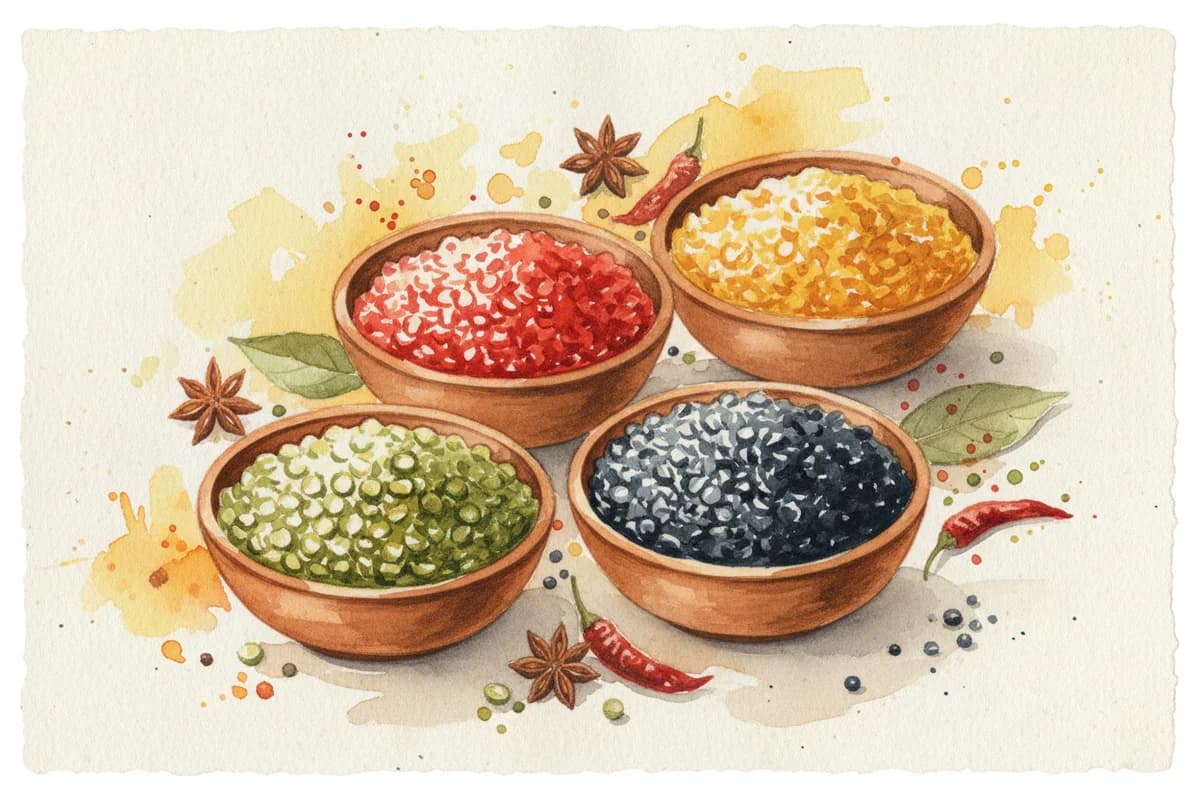
- Toor dal (pigeon pea): The most widely consumed dal in India. Approximately 22 grams of protein per 100 grams dry weight. Rich in folate and potassium.
- Moong dal (mung bean): The easiest to digest. Often recommended for convalescents and young children. Lower in gas-producing oligosaccharides. About 24 grams of protein per 100 grams dry.
- Masoor dal (red lentil): Cooks the fastest. High in iron and folate. About 25 grams of protein per 100 grams dry.
- Urad dal (black gram): The base for dal makhani. Highest in protein among common Indian dals at approximately 25 grams per 100 grams dry. Also the richest in iron.
- Chana dal (split chickpea): The lowest glycemic index of the common Indian dals. About 20 grams of protein per 100 grams.
- Rajma (kidney bean): Not technically a lentil but a staple legume. About 24 grams of protein per 100 grams dry. Very high in fiber.
The Tadka Factor
The Indian practice of tempering dal with a tadka of spices in hot fat is not just about flavor. It may also enhance nutrient absorption.
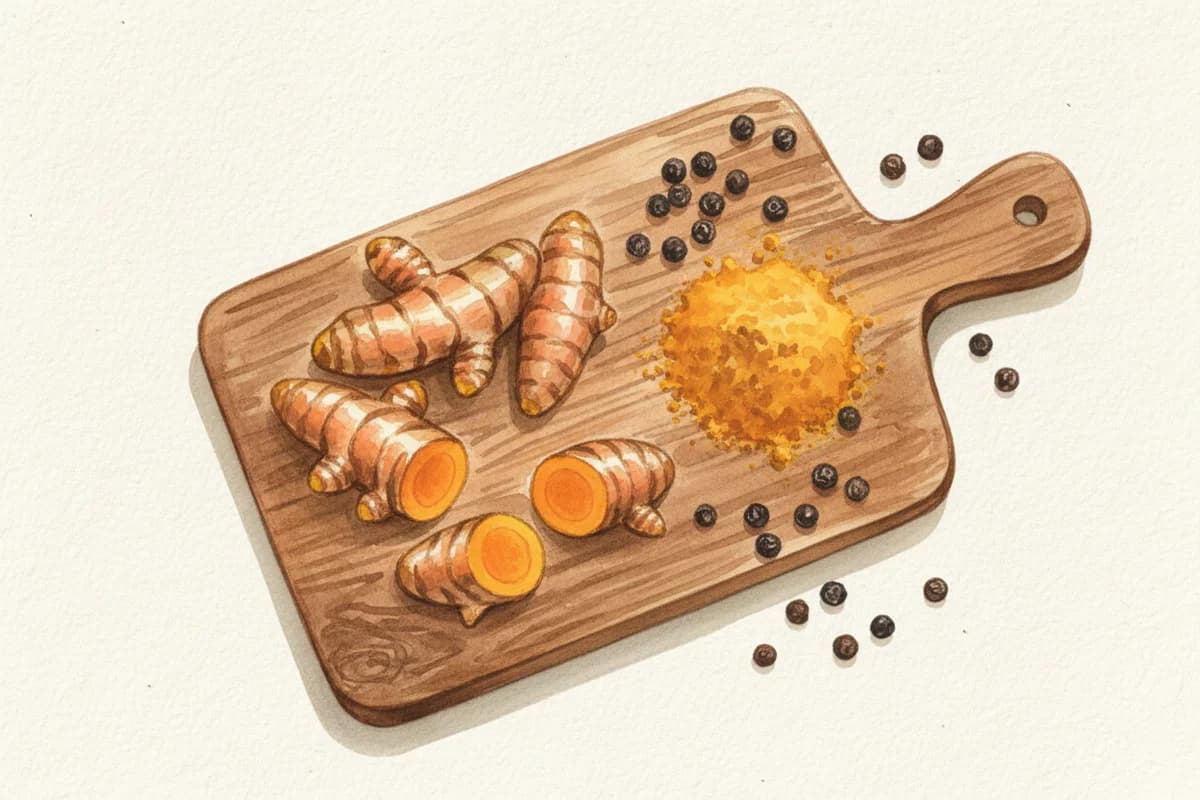
Turmeric, commonly added during dal cooking, provides anti-inflammatory curcumin. Black pepper in the tadka increases curcumin absorption by 2,000 percent. The fat in the tadka (typically ghee or oil) improves absorption of fat-soluble vitamins. And cumin, a near-universal dal spice, has been traditionally used for its digestive properties.Every component of a traditional dal preparation has a nutritional rationale, whether the cooks who developed these recipes understood the biochemistry or not.
What This Means for Your Kitchen
If you are looking for practical ways to increase your protein intake, improve blood sugar control, or simply eat more nutritiously for less money, lentils should be a centerpiece of your diet. Here is how to get the most from them:
- Eat dal daily. The research benefits come from consistent consumption, not occasional meals. Indian tradition has this right.
- Rotate your varieties. Different dals provide different micronutrients. Eat moong one day, toor the next, masoor after that.
- Always pair with a grain. Rice, roti, or bread completes the amino acid profile. This is not optional if lentils are your primary protein source.
- Soak when you can. Soaking for 4 to 8 hours before cooking reduces antinutritional factors and cooking time. This matters most for whole lentils (like whole masoor or urad).
- Use a pressure cooker. Pressure cooking is the most effective method for reducing trypsin inhibitors and phytic acid while maximizing protein digestibility.
- Do not skip the tadka. The spices and fat in a traditional tempering are not decoration. They enhance both flavor and nutrient absorption.
- Add asafoetida (hing) if gas is a concern. A small pinch added to the tadka is the traditional solution, and it works.
The Bottom Line
The global nutrition community is slowly catching up to what Indian grandmothers have always known: lentils are one of the most nutritionally complete foods available, and the traditional methods of preparing them, soaking, pressure cooking, tempering with spices in fat, and serving with rice or bread, represent a sophisticated system for maximizing their nutritional value.
If there is one food that deserves to be called a superfood, it is not acai berries or kale. It is the humble bowl of dal that hundreds of millions of people eat every day without thinking twice about it.
The research supports it. The tradition confirms it. And your body will thank you for it.
Sources and References
- [1] Mudryj AN, Yu N, Aukema HM. “Nutritional and health benefits of pulses.” Applied Physiology, Nutrition, and Metabolism, 2014. View source
- [2] Sievenpiper JL, Kendall CW, Esfahani A, Wong JM, Carleton AJ, Jiang HY, Bazinet RP, Vidgen E, Jenkins DJ. “Effect of non-oil-seed pulses on glycaemic control: a systematic review and meta-analysis of randomised controlled trials.” Diabetologia, 2009. View source
- [3] Dahl WJ, Foster LM, Tyler RT. “Review of the health benefits of peas (Pisum sativum L.).” British Journal of Nutrition, 2012. View source
- [4] Boye J, Zare F, Pletch A. “Pulse proteins: Processing, characterization, functional properties and applications in food and feed.” Food Research International, 2010. View source
- [5] Ha V, Sievenpiper JL, de Souza RJ, Jayalath VH, Mirrahimi A, Agarwal A, Chiavaroli L, Mejia SB, Sacks FM, Di Buono M, Bernstein AM, Leiter LA, Kris-Etherton PM, Vuksan V, Bazinet RP, Josse RG, Beyene J, Kendall CW, Jenkins DJ. “Effect of dietary pulse intake on established therapeutic lipid targets for cardiovascular risk reduction: a systematic review and meta-analysis of randomized controlled trials.” Canadian Medical Association Journal, 2014. View source
Medical Disclaimer
This content is for educational purposes only. It is not medical advice, diagnosis, or treatment. Consult your doctor or registered dietitian before making dietary changes, especially if you have a medical condition or are taking medication.
Related Recipes
More on Nutrition
Get Weekly Nutrition Insights
Evidence-based articles on Indian food and health, delivered to your inbox. No spam, no fads, just science.