The Short Answer
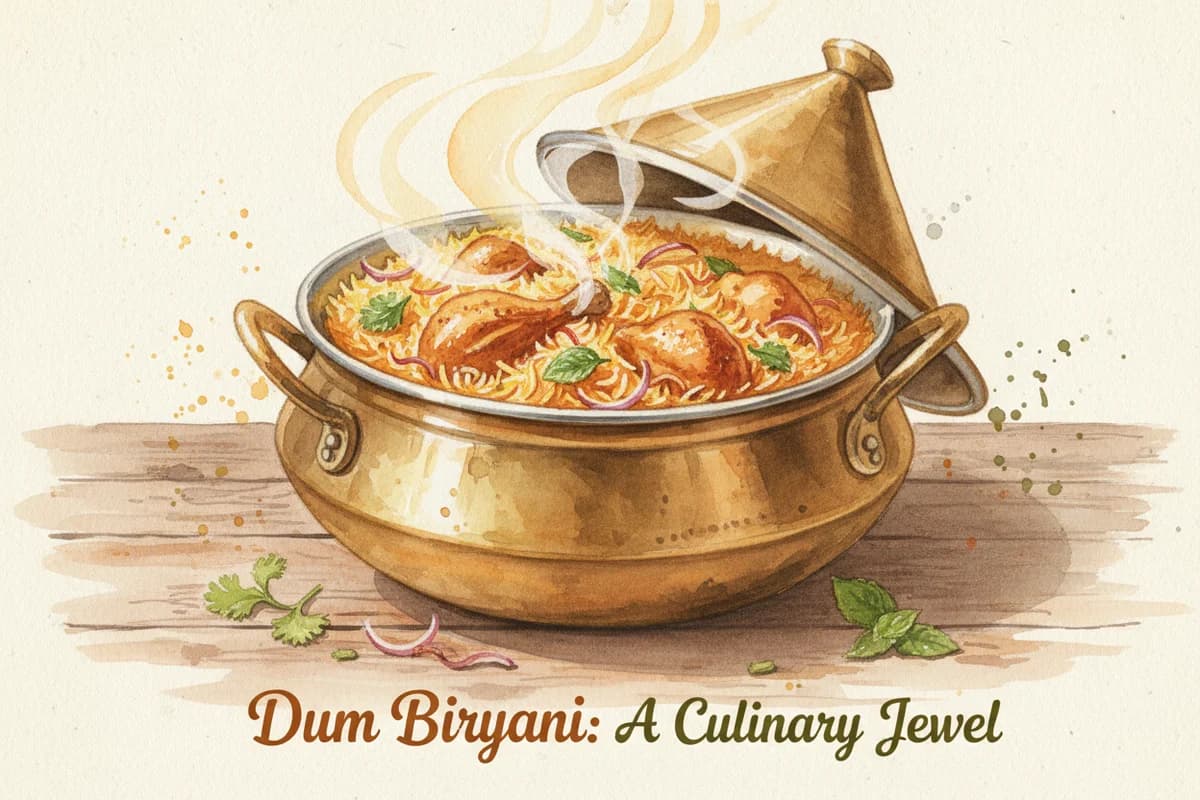
Biryani is a layered rice dish in which partially cooked basmati rice and a separately prepared meat (or vegetable) curry are stacked in a heavy-bottomed pot, sealed, and slow-cooked together until the flavors merge. The rice absorbs the spiced cooking liquid, the meat becomes impossibly tender, and the result is something greater than the sum of its parts.
That is the technique. The emotion is harder to describe. Biryani is the dish Indians argue about more than any other. Which city makes it best? Hyderabad or Lucknow? Should it have potatoes? Is vegetable biryani real biryani? Friendships have been tested over these questions.
The Two Great Styles
Hyderabadi Biryani (Kacchi Style)
In the kacchi ("raw") method, marinated raw meat is layered with partially cooked rice and the pot is sealed with dough. Everything cooks together in its own steam. The meat juices permeate the rice from the bottom up, creating layers of flavor.
Hyderabadi biryani tends to be spicier, more aromatic, and has a distinctive saffron-and-fried-onion character. The bottom layer (the "tah") develops a crispy, caramelized crust that is considered the best part.
Lucknowi Biryani (Pukki Style)
In the pukki ("cooked") method, the meat is fully cooked in a rich gravy before being layered with partially cooked rice. This produces a more refined, subtler biryani where each grain of rice is distinct and the meat is fall-apart tender.
Lucknowi biryani reflects the Awadhi tradition of subtle, layered flavors rather than bold spice. It is lighter, more fragrant, and less fiery than its Hyderabadi counterpart.
Other Regional Styles
- Kolkata biryani adds potatoes (controversial but beloved), uses fewer spices, and has a lighter flavor influenced by the Awadhi tradition
- Malabar biryani from Kerala uses short-grain rice (kaima), coconut, and local spices
- Thalassery biryani features a distinctive mix of spices and tiny, fragrant kaima rice
- Dindigul biryani from Tamil Nadu is spicier, uses seeraga samba rice, and has a distinctly South Indian flavor profile
- Memoni biryani from Gujarat-Sindh region is one of the spiciest, with minimal water for drier rice
What Makes Biryani Different from Pulao
This distinction matters:
Biryani involves separate preparation of rice and curry, followed by layering and dum (slow steaming). The rice and meat are cooked together but start as independent preparations. Pulao (pilaf) involves cooking rice and ingredients together from the start in a single pot with the same liquid. It is a one-pot method.The difference is technique, and it produces different results. Biryani has distinct layers where some grains are white and others are colored with saffron or turmeric. Pulao is uniformly flavored.
The Essential Components
Rice
Biryani demands long-grain basmati rice, aged for at least a year. Aged basmati absorbs less water and stays fluffy with distinct, separate grains. Short-grain or fresh rice produces mushy biryani. For more on rice varieties, see our article on basmati vs. jasmine rice.
The Meat Layer
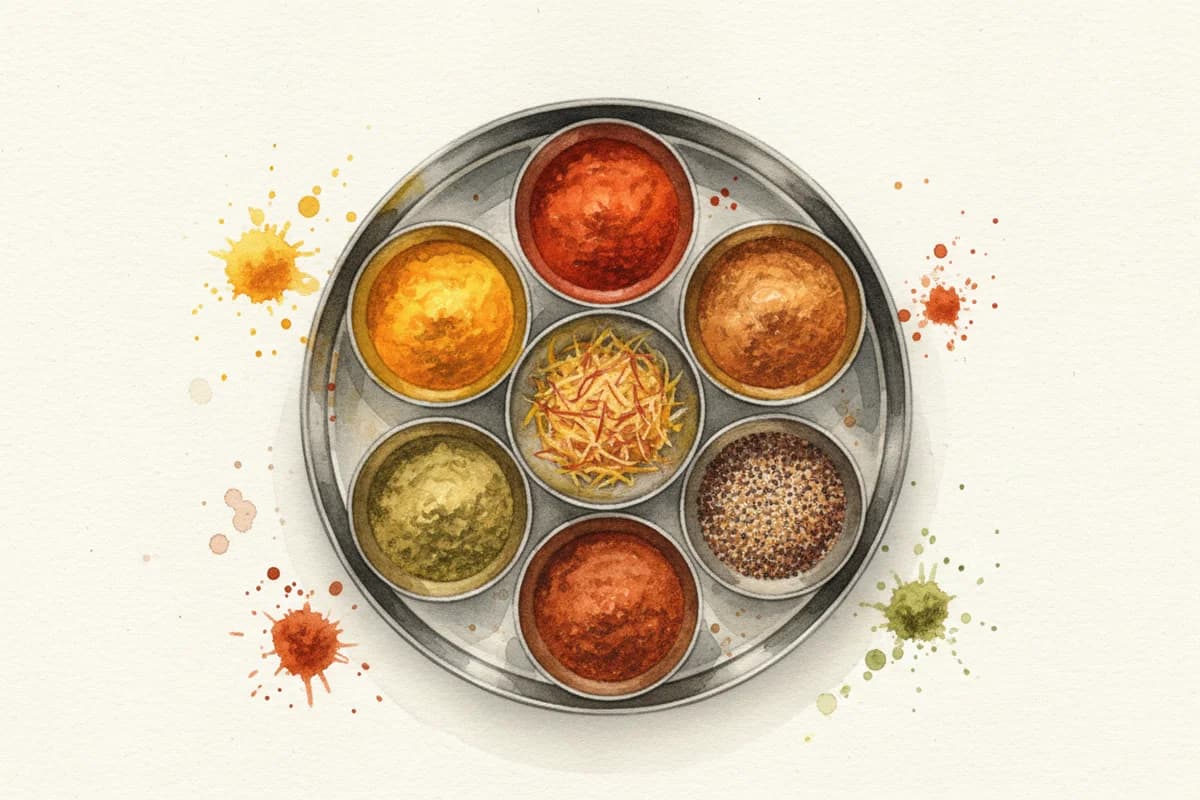
Traditionally chicken, goat (mutton), or lamb, marinated in yogurt and spices for hours. The yogurt tenderizes the meat while the spices, typically a blend of garam masala, red chili, ginger-garlic paste, and whole spices, build deep flavor.
The Aromatics
Saffron soaked in warm milk, fried onions (birista), fresh mint, and cilantro. These are layered between the rice and meat and provide the fragrance that hits you when the lid comes off.
The Dum
Dum means "to breathe" or "to steam." The sealed pot traps all moisture and aroma, creating a pressurized environment where flavors circulate and intensify. The seal is traditionally made with flour dough pressed around the lid. Home cooks often use a tight-fitting lid weighted with a heavy object.
The Fat
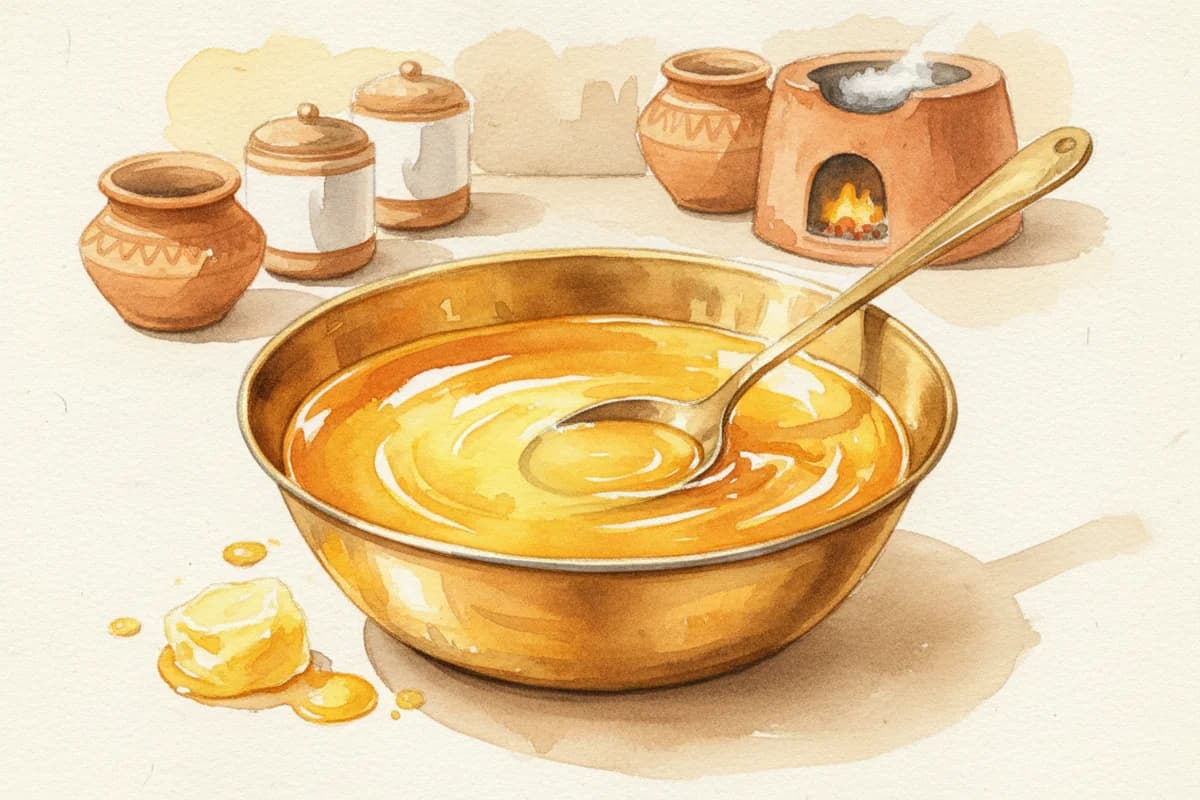
Ghee is traditional and preferred for its high smoke point and nutty flavor. It is used to fry the onions, added to the meat marinade, and drizzled over the rice layers.How to Eat Biryani
Biryani is traditionally served with:
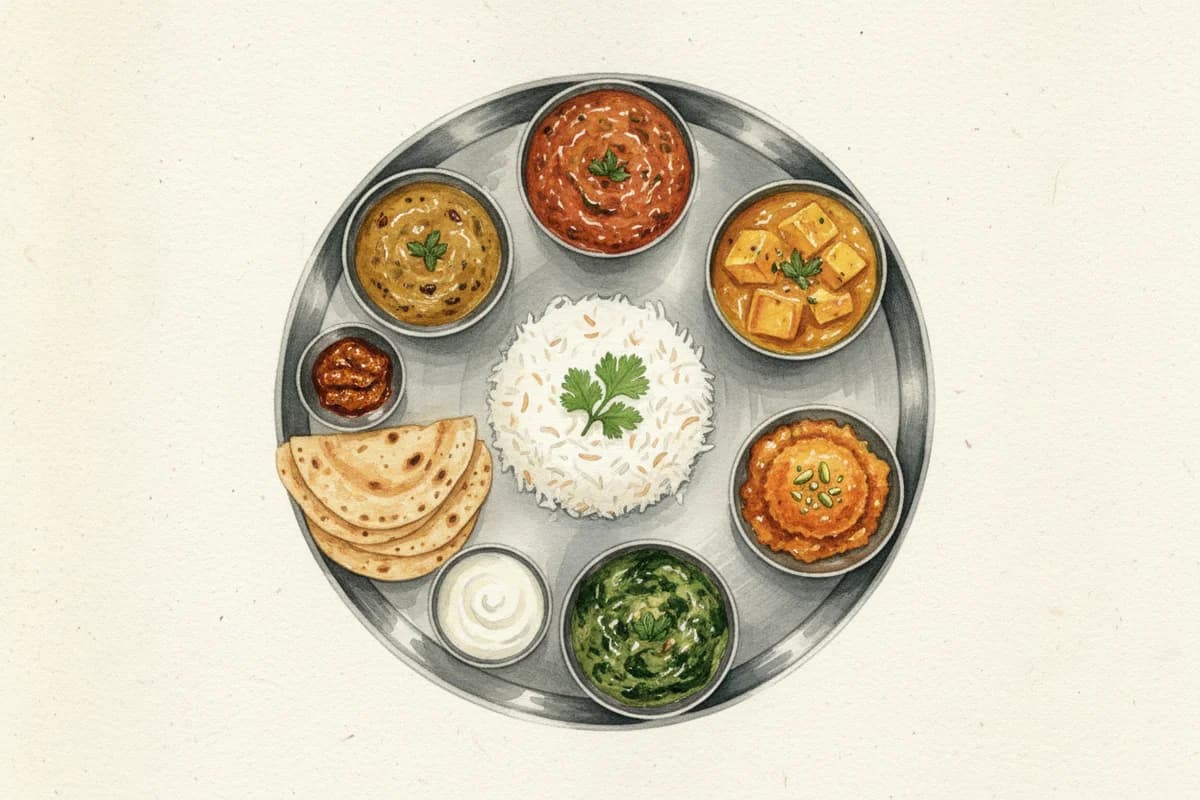
- Raita (yogurt with cucumber, onion, or boondi) to cool the spice
- Mirchi ka salan (Hyderabadi green chili peanut curry) as a tangy, spicy accompaniment
- Boiled egg (halved, often added during cooking)
- Sliced onion and lemon wedges on the side
Why Biryani Inspires Such Passion
Biryani is special-occasion food that has become everyday food. In Hyderabad, families order biryani the way Americans order pizza. In Lucknow, biryani is a point of civic pride. In Kolkata, the potato in the biryani is a non-negotiable identity marker.
The dish carries centuries of history. Its roots trace to Persian pilaf traditions that merged with Indian spices under Mughal rule. Each region adapted it to local ingredients and preferences, creating a diverse family of biryanis that share a technique but diverge in everything else.
When someone asks "what is the best biryani?" they are not asking about food. They are asking about identity, memory, and where you feel at home.
Making Biryani at Home
Biryani has a reputation for being difficult. The technique is precise, but it is not complicated:
- Soak basmati rice for 30 minutes. Parboil with whole spices until 70 percent done. Drain.
- Marinate meat in yogurt, spices, fried onions, and ginger-garlic paste (minimum 2 hours, ideally overnight).
- Cook the meat partially in its marinade.
- Layer rice over the meat. Drizzle saffron milk, ghee, and scatter fried onions and fresh herbs.
- Seal the pot. Cook on the lowest heat for 25 to 30 minutes.
- Do not open the lid. Resist. The dum needs uninterrupted time.
- Open, fluff gently with a fork, and serve from the pot.
The Bottom Line
Biryani is India's most beloved rice dish, and for good reason. The technique of layering separately prepared components and slow-steaming them together produces flavors and textures that no single-pot method can achieve. It is worth the effort, worth the debate, and worth learning to make yourself.
Start with chicken biryani, the most forgiving version. Use good basmati rice. Do not rush the dum. And prepare for the fact that once you make biryani successfully at home, every restaurant version will feel slightly disappointing.