Anti-Inflammatory Indian Foods: A Complete Eating Plan
Medical Disclaimer
This content is for educational purposes only. It is not medical advice, diagnosis, or treatment. Consult your doctor or registered dietitian before making dietary changes, especially if you have a medical condition or are taking medication.
If you have chronic inflammation, work with your healthcare provider to develop a diet plan that is right for you. The information below summarizes published research but is not a substitute for personalized medical guidance.
In This Article
Why Inflammation Is the Real Enemy
Chronic low-grade inflammation is the common thread running through the diseases that kill the most people worldwide: heart disease, cancer, type 2 diabetes, Alzheimer disease, and autoimmune conditions. Research increasingly points to persistent, systemic inflammation as a root cause rather than just a symptom [3].
The good news for anyone who eats Indian food is this: traditional Indian cuisine may be the most naturally anti-inflammatory food system on earth. The spices, the cooking methods, the fermented foods, and the emphasis on legumes and vegetables all work together to address inflammation through multiple mechanisms simultaneously.
This is not marketing. It is published science. And this guide translates that science into a practical eating plan you can start today.
This article is for educational purposes only. Chronic inflammation can be a sign of serious underlying conditions. Consult your doctor for proper diagnosis and treatment. Dietary changes should complement, not replace, medical care.The Science of Anti-Inflammatory Eating
Inflammation is driven by specific molecules and pathways in your body, primarily:
- NF-kB: A transcription factor that activates inflammatory genes
- COX-2: An enzyme that produces inflammatory prostaglandins
- TNF-alpha, IL-6, CRP: Inflammatory cytokines and markers
The Anti-Inflammatory Indian Pantry
Tier 1: Strong Research Support
These foods have multiple clinical trials or meta-analyses supporting their anti-inflammatory effects:
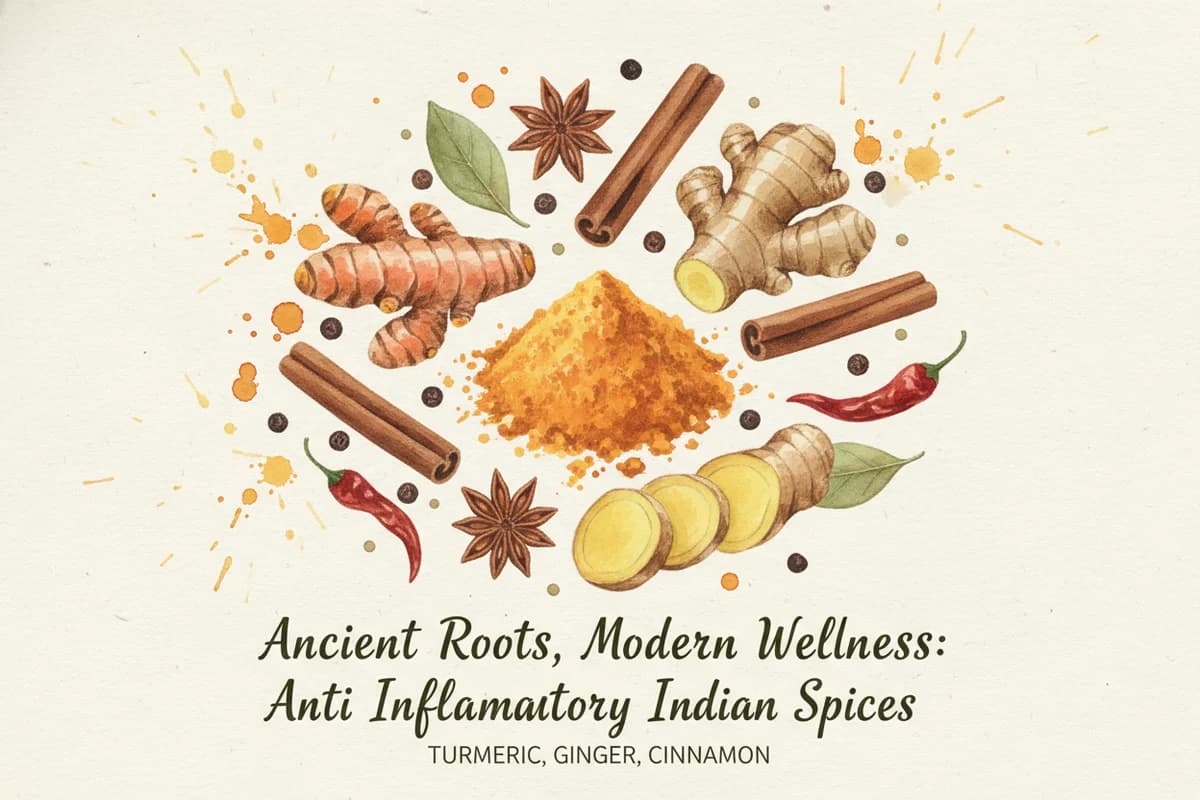
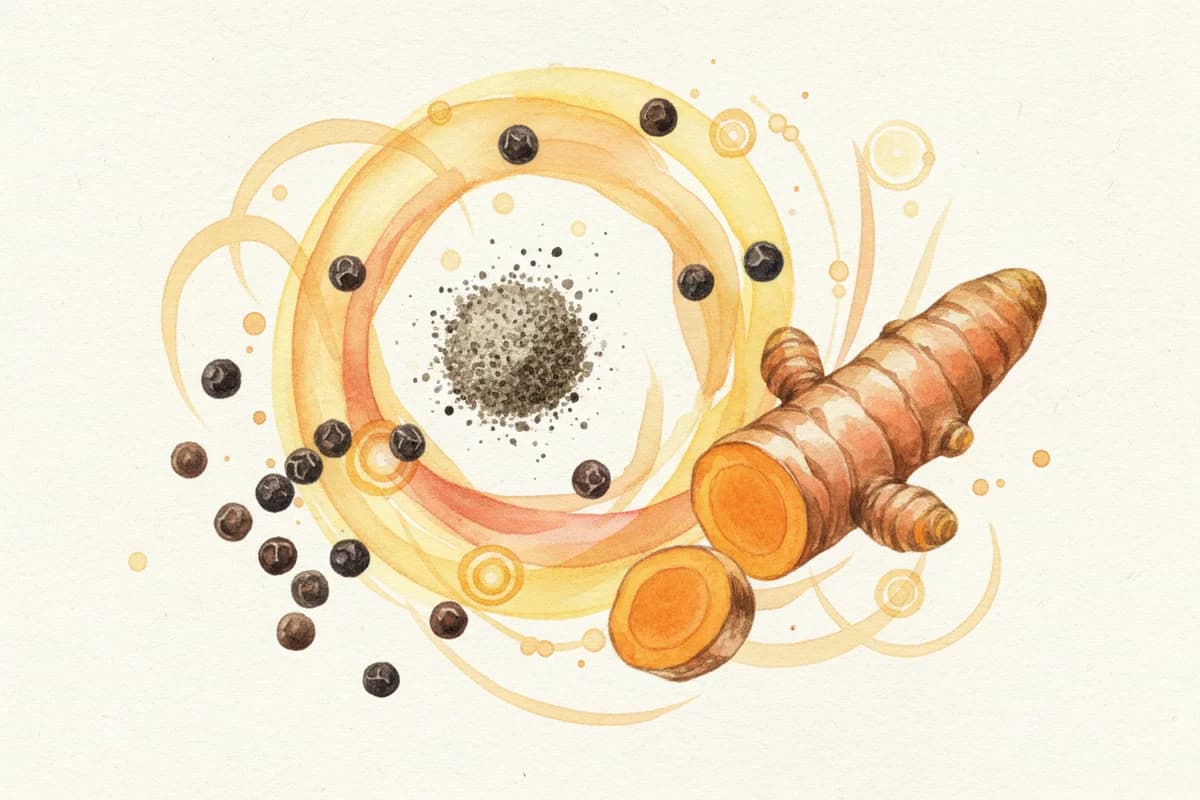
Turmeric (haldi). The most studied anti-inflammatory food compound in the world. Curcumin inhibits NF-kB, reduces TNF-alpha, and lowers CRP in multiple meta-analyses [1]. Use daily in cooking. Always pair with black pepper and fat for absorption. Ginger (adrak). A 2013 review confirmed that gingerols and shogaols in ginger reduce inflammatory markers including prostaglandins and leukotrienes [2]. Fresh ginger in curries, chai, and chutneys provides meaningful amounts. Black pepper (kali mirch). Piperine directly inhibits NF-kB signaling and also multiplies the absorption of curcumin and other anti-inflammatory compounds by up to 2,000 percent. Essential in every meal. Lentils and legumes. Rich in fiber and resistant starch that feed anti-inflammatory gut bacteria. Regular pulse consumption is associated with lower CRP levels in observational studies [3]. Dal is your daily anti-inflammatory staple. Fatty fish (if non-vegetarian). Omega-3 fatty acids (EPA and DHA) are among the most potent anti-inflammatory dietary compounds. Pomfret, rawas (Indian salmon), and surmai are excellent options. Aim for 2 to 3 servings per week. Dahi (yogurt) and fermented foods. Probiotics in fermented foods modulate the gut immune system and may reduce systemic inflammation. Daily dahi, buttermilk, idli batter, and traditionally fermented pickles all contribute.Tier 2: Moderate Research Support
These have promising evidence from laboratory and early clinical studies:
Cinnamon (dalchini). Contains cinnamaldehyde, which inhibits inflammatory pathways. Research suggests modest benefits at culinary doses [4]. Garlic (lehsun). Allicin and other organosulfur compounds demonstrate anti-inflammatory activity in laboratory studies. Regular use in Indian cooking provides consistent exposure [5]. Fenugreek (methi). Beyond its blood sugar benefits, fenugreek contains saponins and flavonoids with anti-inflammatory properties. Green leafy vegetables. Palak, methi, bathua, sarson, and amaranth are rich in vitamins C and E, flavonoids, and carotenoids, all of which have antioxidant and anti-inflammatory properties. Coconut (nariyal). Contains medium-chain triglycerides and lauric acid with documented anti-inflammatory effects. Used as oil, milk, or fresh in South Indian cooking. Amla (Indian gooseberry). One of the richest natural sources of vitamin C and contains ellagic acid, gallic acid, and other polyphenols with anti-inflammatory properties.Tier 3: Traditional Use with Emerging Evidence
These are used in Ayurvedic practice for inflammation and have preliminary scientific support:
- Ajwain (carom seeds)
- Cloves (laung)
- Asafoetida (hing)
- Curry leaves (kadi patta)
- Holy basil (tulsi)
- Mustard seeds (rai)
Foods That Promote Inflammation
Just as important as what you eat is what you avoid:
Refined vegetable oils high in omega-6. Soybean, sunflower, and corn oils consumed in excess shift the omega-6 to omega-3 ratio, promoting inflammatory pathways. This does not mean eliminating cooking oil. It means choosing better options: mustard oil, coconut oil, ghee, or cold-pressed oils. Trans fats and vanaspati. Partially hydrogenated fats directly activate inflammatory pathways. Eliminate completely. Refined sugar. Excessive sugar consumption drives inflammatory markers including CRP, IL-6, and TNF-alpha [3]. Reduce mithai, sweetened chai, packaged juices, and soda. Refined flour (maida). Lacks the fiber and nutrients of whole grains and causes rapid blood sugar spikes that promote inflammatory responses. Replace with atta, millets, or besan. Processed and ultra-processed foods. Packaged namkeen, biscuits, instant noodles, and ready meals typically combine refined grains, industrial oils, and additives that promote inflammation. Excessive red meat. While occasional red meat in Indian cooking (like rogan josh) is unlikely to be problematic, daily high consumption of red meat, especially processed meat, is associated with elevated inflammatory markers.The Anti-Inflammatory Indian Eating Plan
Daily Framework
Every meal should include:- At least one anti-inflammatory spice (turmeric + black pepper minimum)
- A source of fiber (dal, vegetables, or whole grains)
- A fermented element (dahi, buttermilk, pickle)
- At least one dal or legume serving
- 3 to 4 servings of non-starchy vegetables
- Turmeric in at least one meal
- Ginger in at least one meal
- 1 to 2 servings of fruit (especially amla, guava, berries, or citrus)
Sample 7-Day Anti-Inflammatory Meal Plan
Day 1: South Indian Theme- Breakfast: Idli (fermented, probiotic) with sambar (turmeric, fenugreek, tamarind) and coconut chutney
- Lunch: Brown rice + rasam (black pepper, cumin, turmeric) + avial (mixed vegetables in coconut)
- Snack: Buttermilk with roasted cumin + handful of walnuts
- Dinner: Moong dal with ginger-turmeric tadka + ragi roti + palak sabzi
- Breakfast: Methi paratha (whole wheat) with dahi and amla pickle
- Lunch: Dal makhani (urad dal, turmeric, ginger) + 1 roti + mixed salad with lemon
- Snack: Roasted makhana with turmeric seasoning
- Dinner: Lauki chana dal + jeera rice (half cup) + raita
- Breakfast: Poha with peas, turmeric, curry leaves, and peanuts
- Lunch: Fish curry with mustard and turmeric + brown rice + shukto (bitter gourd mixed vegetable)
- Snack: Amla murabba (1 piece) + green tea with ginger
- Dinner: Masoor dal with panch phoran + steamed vegetables + 1 roti
- Breakfast: Handvo (fermented lentil-rice cake) with green chutney
- Lunch: Kadhi (turmeric, ginger, yogurt-based) + bajra roti + green bean sabzi
- Snack: Sprouted moong chaat with lemon and chaat masala
- Dinner: Toor dal with ginger + khichdi (rice + moong, turmeric) + papad
- Breakfast: Dosa (fermented batter) with sambar and podi
- Lunch: Lemon rice + kootu (lentil-vegetable stew with coconut) + rasam
- Snack: Coconut water + handful almonds
- Dinner: Drumstick sambar + 1 ragi roti + stir-fried beans with coconut
- Breakfast: Vegetable oats upma with ginger and curry leaves + small bowl dahi
- Lunch: Chole (turmeric, cinnamon, amchur) + 1 whole wheat roti + large salad + raita
- Snack: Haldi doodh (golden milk with turmeric, pepper, cinnamon)
- Dinner: Palak dal + half cup brown rice + baingan bharta
- Breakfast: Besan chilla (chickpea flour pancake) with turmeric + mint chutney + dahi
- Lunch: Rajma (kidney beans with turmeric, ginger) + half cup rice + cucumber raita + salad
- Snack: Mixed nuts (walnuts, almonds, pumpkin seeds) + 1 guava
- Dinner: Moong dal soup (turmeric, ginger, lemon) + stir-fried seasonal vegetables + 1 bajra roti
Anti-Inflammatory Drinks
Indian cuisine offers several traditional beverages with anti-inflammatory properties:
Haldi doodh (golden milk). Warm milk with turmeric, black pepper, and a small amount of fat. This is the optimal curcumin delivery vehicle. Drink before bed. Ginger-tulsi tea. Fresh ginger and holy basil leaves steeped in hot water. Both ingredients have documented anti-inflammatory compounds. Masala chai (unsweetened or minimal sugar). Contains ginger, cinnamon, cardamom, cloves, and black pepper. Every spice in traditional chai has anti-inflammatory properties. The sugar is the only inflammatory component, so minimize it. Buttermilk (chaas). Fermented, probiotic, and gentle on the digestive system. Add roasted cumin and a pinch of hing for additional benefits. Amla juice (diluted). One tablespoon of amla juice in water provides a concentrated dose of vitamin C and polyphenols.Building Your Anti-Inflammatory Spice Routine
If you change nothing else, adopt this daily spice protocol:
- Morning: Add ginger to your tea or breakfast preparation
- Lunch: Use turmeric and black pepper in the tadka for dal or sabzi
- Afternoon: Drink golden milk or ginger tea
- Dinner: Season with cumin, coriander, and fenugreek in addition to turmeric
- Weekly: Use cinnamon in at least 2 dishes, garlic in at least 3
What This Means for Specific Conditions
Arthritis and Joint Pain
The evidence for curcumin in arthritis is among the strongest. If you have joint pain, prioritize turmeric with black pepper at every meal, consider a curcumin supplement (discuss dosing with your doctor), and increase omega-3 intake through fatty fish or flaxseeds.
Autoimmune Conditions
Gut health plays a central role in autoimmune inflammation. Prioritize fermented foods (daily dahi, idli, fermented pickles) and fiber-rich legumes. Reduce sugar and processed foods aggressively.
Heart Disease Risk
Inflammation drives atherosclerosis. The anti-inflammatory diet outlined here aligns closely with heart-healthy eating. Pay special attention to reducing refined oils and trans fats while increasing omega-3s, fiber, and antioxidant-rich spices.
General Wellness and Prevention
Even without a specific condition, chronic low-grade inflammation accelerates aging and increases disease risk. The eating plan above is a reasonable framework for anyone wanting to eat preventively.
The Bottom Line
Indian cuisine is, by default, one of the most anti-inflammatory food traditions in the world. The combination of turmeric, ginger, black pepper, garlic, and dozens of other bioactive spices, paired with legumes, fermented foods, and diverse vegetables, provides a multi-pronged approach to inflammation that no single supplement can match.
The research supports this. The traditional patterns confirm it. And the practical eating plan above makes it achievable on a daily basis.
You do not need to buy expensive anti-inflammatory supplements. You need to cook Indian food the way it was meant to be cooked: with generous spices, daily dal, seasonal vegetables, and fermented accompaniments. Your grandmother's kitchen was an anti-inflammatory pharmacy. Start using it.
Sources and References
- [1] Hewlings SJ, Kalman DS. “Curcumin: A Review of Its Effects on Human Health.” Foods, 2017. View source
- [2] Mashhadi NS, Ghiasvand R, Askari G, Hariri M, Darvishi L, Mofid MR. “Anti-oxidative and anti-inflammatory effects of ginger in health and physical activity: review of current evidence.” International Journal of Preventive Medicine, 2013. View source
- [3] Calder PC, Ahluwalia N, Brouns F, Buetler T, Clement K, Cunningham K, Esposito K, Jonsson LS, Kolb H, Lansink M, Marcos A, Margioris A, Matber N, Moleres A, Moreno J, Portillo M, Putet G, Roche HM, Stanton C, Timmerman H, Tuohy KM, Warnberg J, Watzl B, Winklhofer-Roob BM. “Dietary factors and low-grade inflammation in relation to overweight and obesity.” British Journal of Nutrition, 2011. View source
- [4] Srinivasan K. “Antioxidant potential of spices and their active constituents.” Critical Reviews in Food Science and Nutrition, 2014. View source
- [5] Tapsell LC, Hemphill I, Cobiac L, Patch CS, Sullivan DR, Fenech M, Roodenrys S, Keogh JB, Clifton PM, Williams PG, Fazio VA, Inge KE. “Health benefits of herbs and spices: the past, the present, the future.” Medical Journal of Australia, 2006. View source
Medical Disclaimer
This content is for educational purposes only. It is not medical advice, diagnosis, or treatment. Consult your doctor or registered dietitian before making dietary changes, especially if you have a medical condition or are taking medication.
If you have chronic inflammation, work with your healthcare provider to develop a diet plan that is right for you. The information below summarizes published research but is not a substitute for personalized medical guidance.
Related Recipes
More on Nutrition
Get Weekly Nutrition Insights
Evidence-based articles on Indian food and health, delivered to your inbox. No spam, no fads, just science.