Indian Diet and Heart Health: What the Research Shows
Medical Disclaimer
This content is for educational purposes only. It is not medical advice, diagnosis, or treatment. Consult your doctor or registered dietitian before making dietary changes, especially if you have a medical condition or are taking medication.
If you have heart disease, work with your healthcare provider to develop a diet plan that is right for you. The information below summarizes published research but is not a substitute for personalized medical guidance.
In This Article
South Asians and Heart Disease: The Elevated Risk
South Asians face a disproportionately high risk of cardiovascular disease compared to other ethnic groups. Research published in Circulation found that South Asians develop coronary artery disease at younger ages, at lower body weights, and at lower cholesterol levels than other populations [1]. Studies suggest the risk is 2 to 4 times higher than in European-ancestry populations.
Several factors drive this elevated risk. South Asians tend to carry more visceral fat (fat around the organs) relative to their body weight, which contributes to insulin resistance and inflammation. Genetic factors, including variants in the lipoprotein(a) gene, may increase susceptibility. The shift from traditional dietary patterns toward processed foods, refined carbohydrates, and sedentary lifestyles in urban settings has amplified these vulnerabilities.
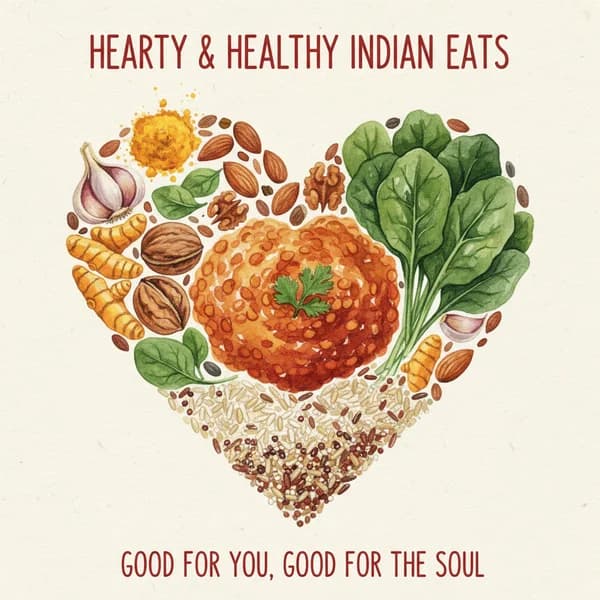
This means that heart-healthy eating is not optional for people of South Asian descent. It is especially important. The good news is that traditional Indian home cooking, when prepared thoughtfully, contains many of the exact foods and compounds that cardiovascular research identifies as protective.
Heart-Protective Indian Foods
Lentils and Legumes (Dal, Rajma, Chole)
Dal may be the single most heart-protective food in the Indian diet. A systematic review and meta-analysis of 26 randomized controlled trials found that eating one serving of pulses per day (about 3/4 cup cooked) significantly reduced LDL cholesterol, the primary driver of arterial plaque [2]. Lentils provide soluble fiber, which binds to bile acids and pulls cholesterol out of the body. They also deliver potassium, magnesium, and folate, all of which support cardiovascular function.
Aim for at least one bowl of dal or legumes at every main meal. Moong dal, masoor dal, toor dal, chana, rajma, and lobhia are all excellent choices. See our detailed guide to lentils as a protein source for more on their nutritional profile.
Turmeric
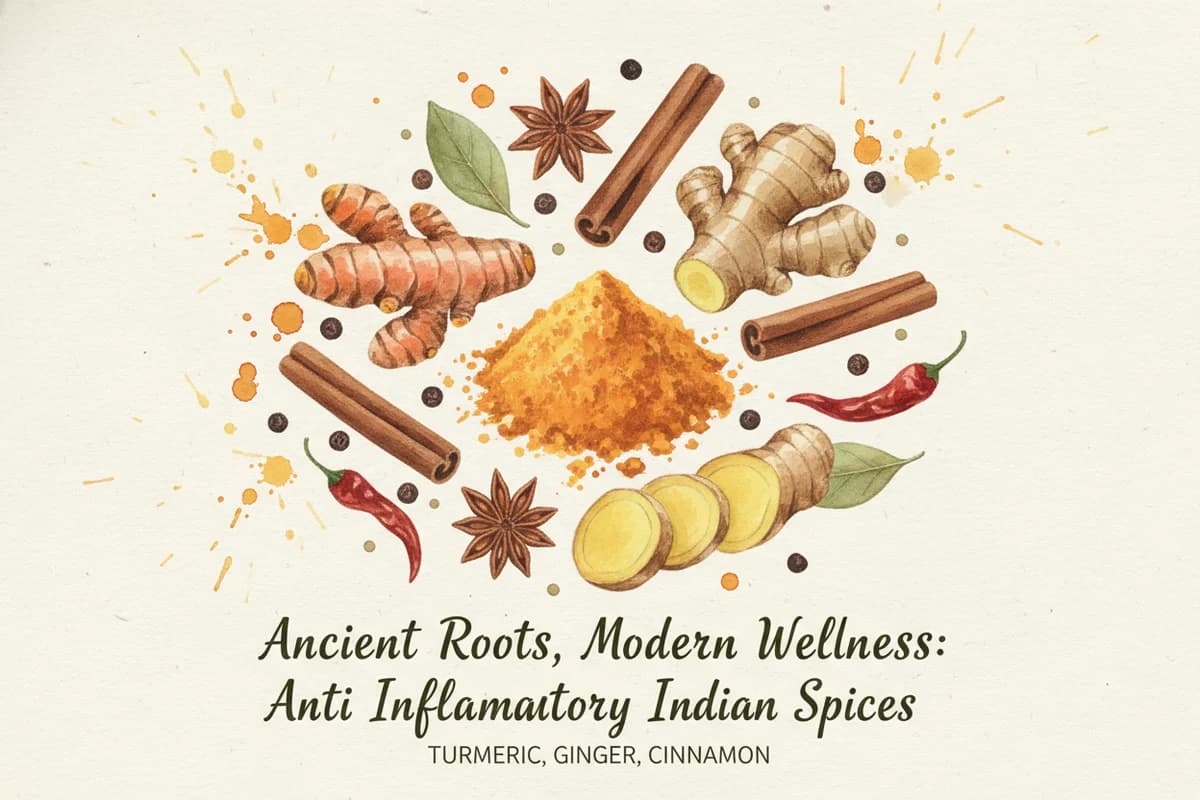
Curcumin, the primary bioactive compound in turmeric, has demonstrated anti-inflammatory and antioxidant properties in research settings. A review in Ageing Research Reviews found that curcumin may help protect against cardiovascular disease by improving endothelial function, reducing inflammation, and modifying lipid profiles [6]. However, curcumin has low bioavailability on its own. Combining turmeric with black pepper (which contains piperine) increases absorption by up to 2,000 percent.
The amounts used in everyday Indian cooking (half to one teaspoon of turmeric per dish) contribute meaningful cumulative intake over a lifetime. Read our full analysis of turmeric and curcumin research.
Garlic (Lahsun)
Garlic is a foundation ingredient in most Indian curries. An updated meta-analysis of 39 trials found that garlic supplementation reduced total cholesterol and LDL cholesterol significantly compared to placebo [7]. The active compound allicin, released when garlic is crushed or chopped, appears to inhibit cholesterol synthesis. Use fresh garlic generously. Let it sit for 5 to 10 minutes after chopping to allow allicin to form before cooking.
Fenugreek (Methi)
Fenugreek seeds and leaves contain soluble fiber and compounds called saponins that may help reduce cholesterol absorption. Some clinical trials suggest modest reductions in total cholesterol and triglycerides with regular fenugreek intake. Methi leaves in sabzi, fenugreek seeds in tadka, and kasuri methi sprinkled on dals are all practical ways to include this ingredient. See our fenugreek health benefits article for the research details.
Leafy Greens, Vegetables, and Whole Grains
Palak, methi leaves, sarson ka saag, and other leafy greens provide nitrates that may support healthy blood pressure. Non-starchy vegetables like lauki, tori, karela, bhindi, and gobhi add fiber and potassium without excess calories. Whole grains such as bajra, jowar, ragi, and whole wheat deliver fiber that research associates with reduced cardiovascular risk when consumed in place of refined grains.
Foods to Moderate
Not all traditional Indian foods serve heart health equally. The key is moderation, not elimination.
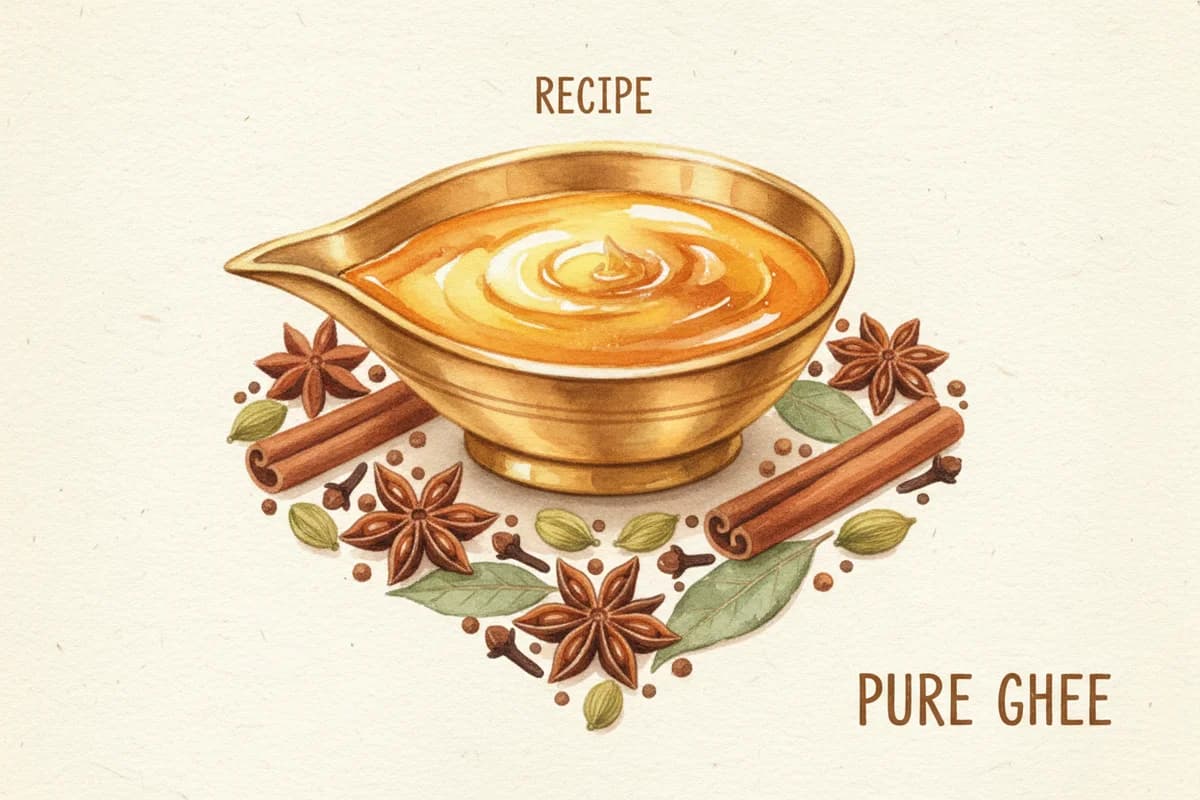
Ghee. Small amounts of ghee (1 to 2 teaspoons per meal) used in home cooking are unlikely to harm cardiovascular health in most people. The problem arises with restaurant-quantity ghee, where dishes may contain 4 to 6 tablespoons per serving. We take a moderate, evidence-based position on ghee. Read our detailed analysis of the ghee and heart health debate. Fried snacks. Samosas, pakoras, puris, and kachori are deep-fried in oil that may be reused multiple times. Reheated oil generates trans fats and oxidized compounds that are particularly harmful to arterial health. Reserve deep-fried foods for occasional enjoyment, not daily consumption. High-sodium pickles and condiments. Indian pickles (achaar), papad, and certain chutneys can contain very high levels of sodium. See the sodium table below. Refined flour (maida). Naan, kulcha, white bread, biscuits, and bakery items made with maida lack the fiber of whole grains and cause rapid blood sugar spikes. Elevated blood sugar over time damages blood vessels and increases cardiovascular risk.The Sodium Question
The American College of Cardiology and American Heart Association recommend limiting sodium to less than 2,300 mg per day, and ideally less than 1,500 mg for people with high blood pressure [4]. Many Indian condiments and side dishes are sodium-dense.
Sodium Content of Common Indian Condiments and Sides
| Food Item | Serving Size | Sodium (mg) | Notes |
|---|---|---|---|
| Mango pickle (achaar) | 1 tablespoon | 800-1,200 | Extremely high |
| Lime pickle | 1 tablespoon | 700-1,000 | Very high |
| Papad (fried or roasted) | 1 piece | 300-450 | Moderate to high |
| Tamarind chutney | 2 tablespoons | 150-250 | Moderate |
| Mint-coriander chutney | 2 tablespoons | 200-350 | Moderate |
| Raita (with salt) | 1/2 cup | 200-300 | Moderate |
| Store-bought curry paste | 2 tablespoons | 600-900 | Very high |
| Soy sauce (used in Indo-Chinese) | 1 tablespoon | 900-1,000 | Extremely high |
| Chat masala | 1 teaspoon | 300-400 | High for small amount |
| Homemade dal (typical salt) | 1 cup | 400-600 | Moderate |
| Restaurant curry (typical) | 1 serving | 800-1,400 | Very high |
Cooking Method Matters
The same dish can be heart-healthy or heart-damaging depending on how it is prepared. Restaurant Indian food and home-cooked Indian food are fundamentally different from a cardiovascular perspective.
| Factor | Home Cooking | Restaurant Cooking |
|---|---|---|
| Oil per dish | 1-2 tablespoons | 4-8 tablespoons |
| Butter/cream | Minimal or none | Generous |
| Salt per serving | 400-600 mg | 800-1,400 mg |
| Ghee per serving | 1-2 teaspoons | 2-4 tablespoons |
| Reused frying oil | Rare | Common |
| Portion size | Moderate | Large |
A Heart-Healthy Indian Plate
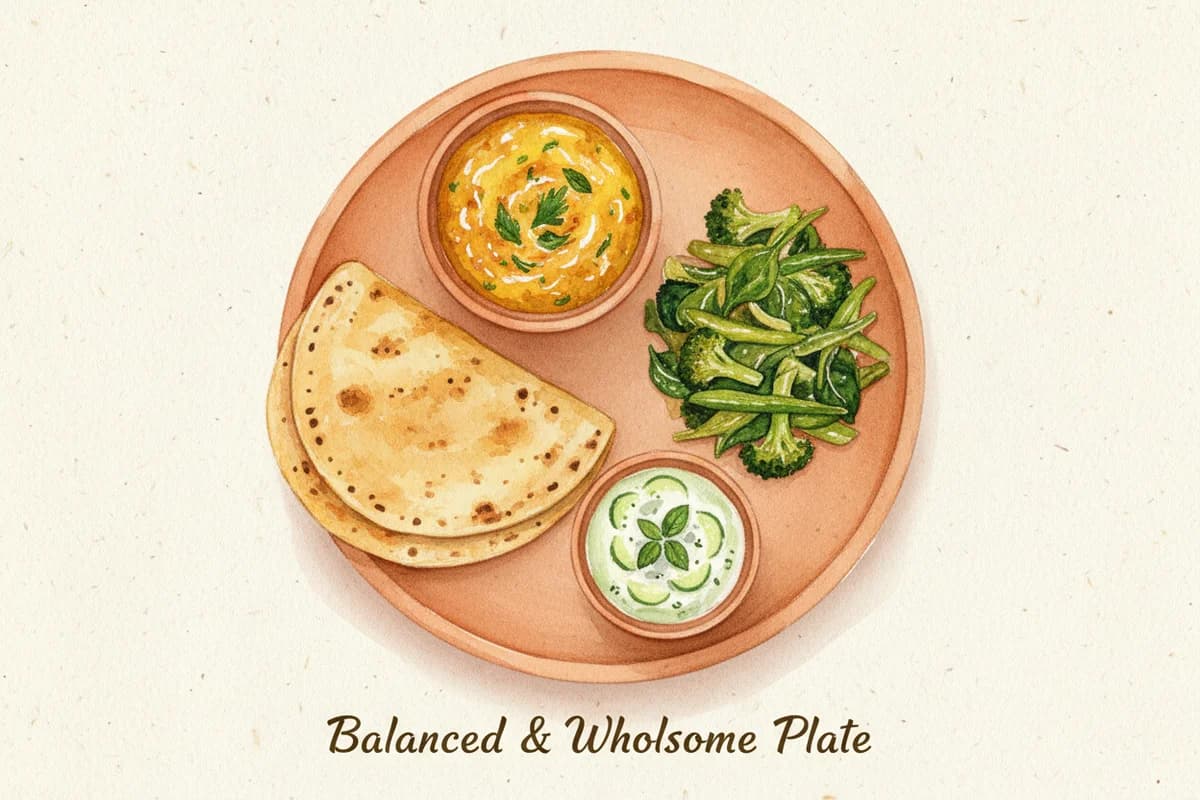
Research supports a plate proportion model for cardiovascular health [5]. Here is what a heart-healthy Indian meal looks like.
Plate Proportions
| Section | Proportion | What to Include | Why It Helps |
|---|---|---|---|
| Vegetables and salad | 50% of plate | Sabzi (non-starchy), salad, raita | Fiber, potassium, antioxidants, low calories |
| Whole grain | 25% of plate | 1 roti (bajra, jowar, or whole wheat) or 1/2 cup brown rice | Fiber reduces cholesterol absorption |
| Protein | 25% of plate | 1 bowl dal, paneer, egg, fish, or chicken | Supports satiety, replaces excess carbohydrates |
| Healthy fat | Small addition | 1-2 tsp ghee or mustard oil in cooking | Supports absorption of fat-soluble nutrients |
| Condiment | Minimal | Small amount of chutney, skip pickle on most days | Controls sodium intake |
Specific Nutrients That Matter
Fiber from Dal
Soluble fiber is the most consistently supported dietary factor for reducing LDL cholesterol. One cup of cooked dal provides 12 to 16 grams of fiber. The meta-analysis by Ha et al. found that just one daily serving of pulses reduced LDL cholesterol by 5 percent on average [2]. Two servings of dal per day puts you well above the minimum effective dose.
Potassium from Vegetables and Fruits
Potassium helps regulate blood pressure by counterbalancing sodium. Leafy greens (palak, methi), bananas, coconut water, sweet potatoes, and tomatoes are potassium-rich Indian foods. The recommended intake is 2,600 to 3,400 mg per day. Most Indians do not meet this target because vegetable portions are too small relative to grains.
Omega-3 Fatty Acids
The VITAL trial published in the New England Journal of Medicine found that marine omega-3 supplementation reduced the risk of heart attacks, particularly in people who did not regularly eat fish [3]. For Indian cooking, mustard oil provides alpha-linolenic acid (ALA), a plant-based omega-3. Fish-eating communities (Bengali, Kerala, Goan) have a natural advantage here. If you do not eat fish regularly, consider discussing omega-3 supplementation with your doctor.
Magnesium
Magnesium supports healthy heart rhythm and blood vessel relaxation. Whole grains, nuts, seeds, and dark leafy greens are rich sources. The shift from millets (high in magnesium) to polished rice and refined wheat has reduced magnesium intake in the modern Indian diet.
The Ghee Debate
Ghee has been demonized in cardiovascular guidelines for decades because of its saturated fat content. The reality is more nuanced than "ghee is bad for your heart."
Small amounts of ghee (1 to 2 teaspoons per meal) in the context of a high-fiber, vegetable-rich Indian diet have not been conclusively shown to increase cardiovascular risk in well-designed studies. The problem is quantity. Restaurant ghee usage, festival cooking with cups of ghee, and the habit of adding extra ghee to already-cooked food push intake into ranges where saturated fat may raise LDL cholesterol.
We cover this topic in depth in our article Ghee Is Bad for Your Heart: Myth or Fact?. The short version: moderate ghee in home cooking is reasonable. Excessive ghee is not.
Practical Tips for Heart-Healthy Indian Cooking
- Cook dal every day. Make it the centerpiece of your meals, not a side dish. One cup of dal at lunch and dinner gives you 24 to 32 grams of fiber daily from this source alone.
- Double your vegetable portions. If you currently eat one small bowl of sabzi per meal, make it two. Fill half your plate before adding roti or rice.
- Switch to mustard oil for some cooking. Mustard oil provides omega-3 fatty acids (ALA) and has a high smoke point suitable for Indian cooking. Alternate between mustard oil and small amounts of ghee.
- Use garlic and turmeric generously. Both have research supporting cardiovascular benefits. Crush garlic and let it rest before cooking. Always pair turmeric with black pepper.
- Replace one wheat roti per day with a millet roti. Bajra, jowar, and ragi offer more fiber, magnesium, and a lower glycemic response than whole wheat.
- Limit pickle to 3 to 4 days per week. On the other days, use lemon wedges, fresh green chutney, or amchur for tang.
- Measure your cooking oil. Use a tablespoon instead of pouring from the bottle. Most home cooks use 2 to 3 times more oil than they estimate.
- Eat fish twice a week if your dietary tradition allows. Grilled or baked fish with Indian spices provides omega-3 fatty acids that research strongly associates with reduced cardiovascular events [3].
- Walk for 15 to 20 minutes after dinner. Post-meal walking improves blood sugar, blood pressure, and triglyceride levels. This is one of the most effective lifestyle changes you can make [5].
- Track your blood pressure and cholesterol. Know your numbers. Dietary changes work best when you can measure their impact over 3 to 6 months.
The Bottom Line
Heart disease is the leading cause of death among South Asians worldwide, but the traditional Indian diet contains powerful protective foods. Dal, leafy greens, turmeric, garlic, fenugreek, whole grains, and mustard oil all have research supporting cardiovascular benefits. The challenge is not the cuisine itself. It is the modern drift toward excessive oil, salt, refined carbohydrates, and restaurant-sized portions.
A heart-healthy Indian diet is not a special diet. It is traditional home cooking with intentional proportions: more dal, more vegetables, less oil, less sodium, and whole grains instead of refined ones. Work with your doctor to set specific targets for cholesterol, blood pressure, and weight. Then use the food you already know and love to get there.
Reminder: This article is for educational purposes only. It does not replace the advice of your cardiologist, primary care physician, or registered dietitian. If you have cardiovascular disease or risk factors, work with your healthcare team to develop a personalized dietary plan.Sources and References
- [1] Volgman AS, Palaniappan LS, Aggarwal NT, Gupta M, Khandelwal A, Krishnan AV, Lichtman JH, Mehta LS, Patel HN, Shah KS, Shah SH, Watson KE. “Atherosclerotic cardiovascular disease in South Asians in the United States: epidemiology, risk factors, and treatments.” Circulation, 2018. View source
- [2] Ha V, Sievenpiper JL, de Souza RJ, Jayalath VH, Mirrahimi A, Agarwal A, Chiavaroli L, Mejia SB, Sacks FM, Di Buono M, Bernstein AM, Leiter LA, Kris-Etherton PM, Vuksan V, Bazinet RP, Josse RG, Beyene J, Kendall CW, Jenkins DJ. “Effect of dietary pulse intake on established therapeutic lipid targets for cardiovascular risk reduction: a systematic review and meta-analysis of randomized controlled trials.” Canadian Medical Association Journal, 2014. View source
- [3] Manson JE, Cook NR, Lee IM, Christen W, Bassuk SS, Mora S, Gibson H, Albert CM, Gordon D, Copeland T, D'Agostino D, Friedenberg G, Ridge C, Bubes V, Giovannucci EL, Willett WC, Buring JE. “Marine n-3 fatty acids and prevention of cardiovascular disease and cancer.” New England Journal of Medicine, 2019. View source
- [4] Whelton PK, Carey RM, Aronow WS, Casey DE Jr, Collins KJ, Dennison Himmelfarb C, DePalma SM, Gidding S, Jamerson KA, Jones DW, MacLaughlin EJ, Muntner P, Ovbiagele B, Smith SC Jr, Spencer CC, Stafford RS, Taler SJ, Thomas RJ, Williams KA Sr, Williamson JD, Wright JT Jr. “2017 ACC/AHA/AAPA/ABC/ACPM/AGS/APhA/ASH/ASPC/NMA/PCNA guideline for the prevention, detection, evaluation, and management of high blood pressure in adults.” Journal of the American College of Cardiology, 2018. View source
- [5] Aggarwal M, Bozkurt B, Panjrath G, Aggarwal B, Ostfeld RJ, Barnard ND, Gaggin H, Freeman AM, Allen K, Madan S, Tinsley G, Sethi S, Hodish I, Kris-Etherton P. “Lifestyle modifications for preventing and treating heart failure.” Journal of the American College of Cardiology, 2018. View source
- [6] Prasad K. “Turmeric and curcumin protect against cardiovascular disease.” Ageing Research Reviews, 2014. View source
- [7] Ried K, Toben C, Fakler P. “Effect of garlic on serum lipids: an updated meta-analysis.” Nutrition Reviews, 2013. View source
Medical Disclaimer
This content is for educational purposes only. It is not medical advice, diagnosis, or treatment. Consult your doctor or registered dietitian before making dietary changes, especially if you have a medical condition or are taking medication.
If you have heart disease, work with your healthcare provider to develop a diet plan that is right for you. The information below summarizes published research but is not a substitute for personalized medical guidance.
More on Nutrition
Get Weekly Nutrition Insights
Evidence-based articles on Indian food and health, delivered to your inbox. No spam, no fads, just science.