Indian Diet for PCOS: What to Eat and What to Avoid
Medical Disclaimer
This content is for educational purposes only. It is not medical advice, diagnosis, or treatment. Consult your doctor or registered dietitian before making dietary changes, especially if you have a medical condition or are taking medication.
If you have polycystic ovary syndrome (PCOS), work with your healthcare provider to develop a diet plan that is right for you. The information below summarizes published research but is not a substitute for personalized medical guidance.
In This Article
PCOS in India: The Scale of the Problem
Polycystic ovary syndrome affects an estimated 20 to 25 percent of Indian women of reproductive age, one of the highest prevalence rates in the world [1]. Symptoms include irregular periods, excess androgen levels, weight gain (especially around the midsection), acne, hair thinning, and difficulty conceiving.
At its metabolic root, PCOS is driven by two interconnected factors: insulin resistance and chronic low-grade inflammation. Up to 70 percent of women with PCOS have some degree of insulin resistance, even those who are not overweight. This makes PCOS as much a metabolic condition as a reproductive one.
The good news: both insulin resistance and inflammation are highly responsive to dietary intervention. And Indian cuisine, with its emphasis on lentils, anti-inflammatory spices, and fermented foods, provides an ideal foundation for PCOS management.
This guide is for educational purposes only. PCOS management requires medical supervision. Work with your gynecologist and a registered dietitian to develop a plan tailored to your specific symptoms and health markers. Do not alter medications based on dietary information.The Three Pillars of PCOS Nutrition
Pillar 1: Manage Insulin Resistance
Insulin resistance is the metabolic driver of PCOS. When your cells resist insulin, your pancreas produces more, and excess insulin stimulates the ovaries to produce more androgens. Managing insulin is the single most impactful dietary strategy.
Pillar 2: Reduce Chronic Inflammation
Women with PCOS have elevated inflammatory markers (CRP, IL-6) even when other variables are controlled [4]. Inflammation worsens insulin resistance, which worsens PCOS symptoms, creating a vicious cycle.
Pillar 3: Support Hormonal Balance
Specific nutrients, including inositol, omega-3 fatty acids, vitamin D, zinc, and chromium, play roles in hormone regulation that are particularly relevant to PCOS.
Foods to Eat: The PCOS-Friendly Indian Kitchen
High-Priority Foods
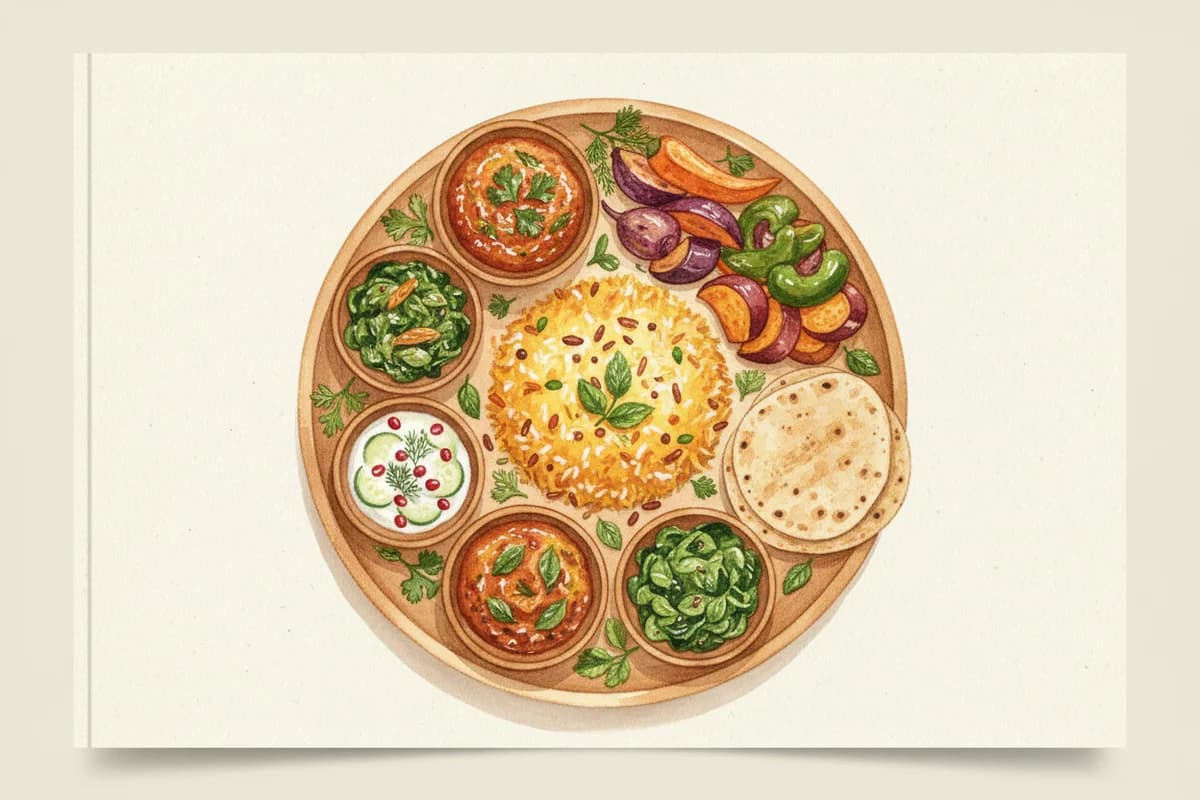
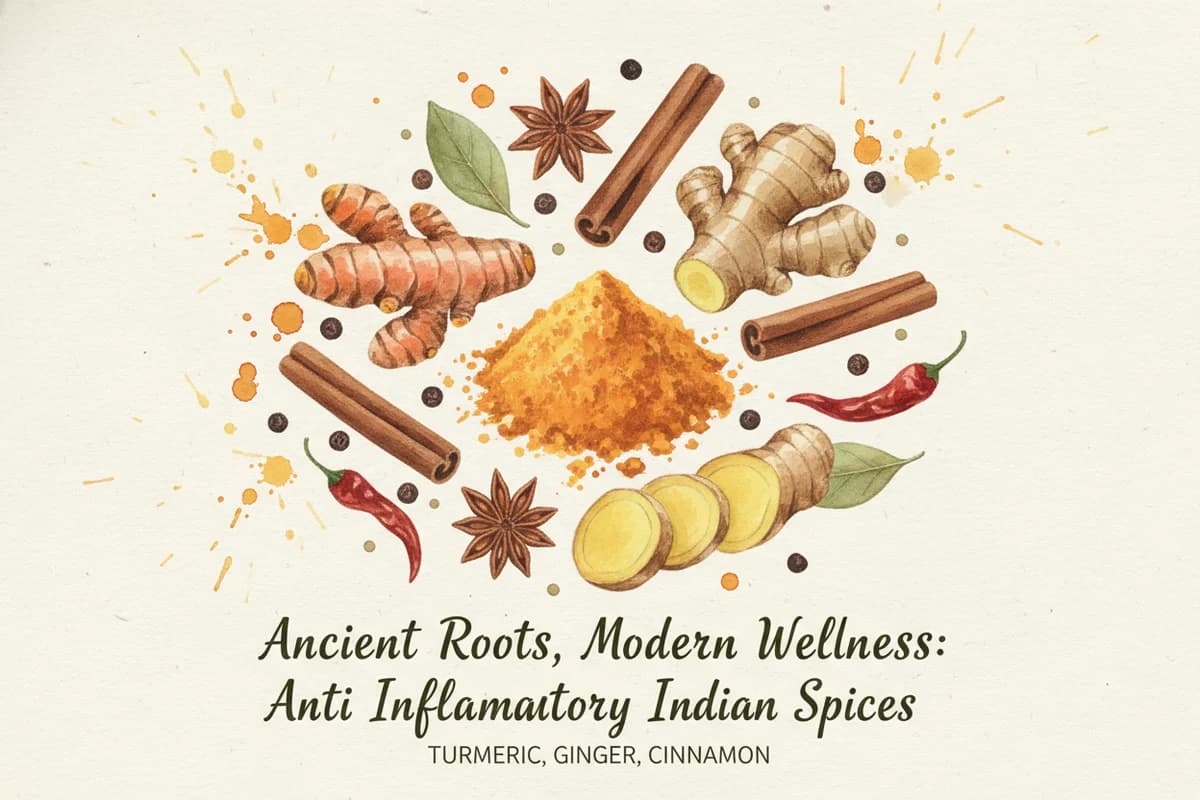
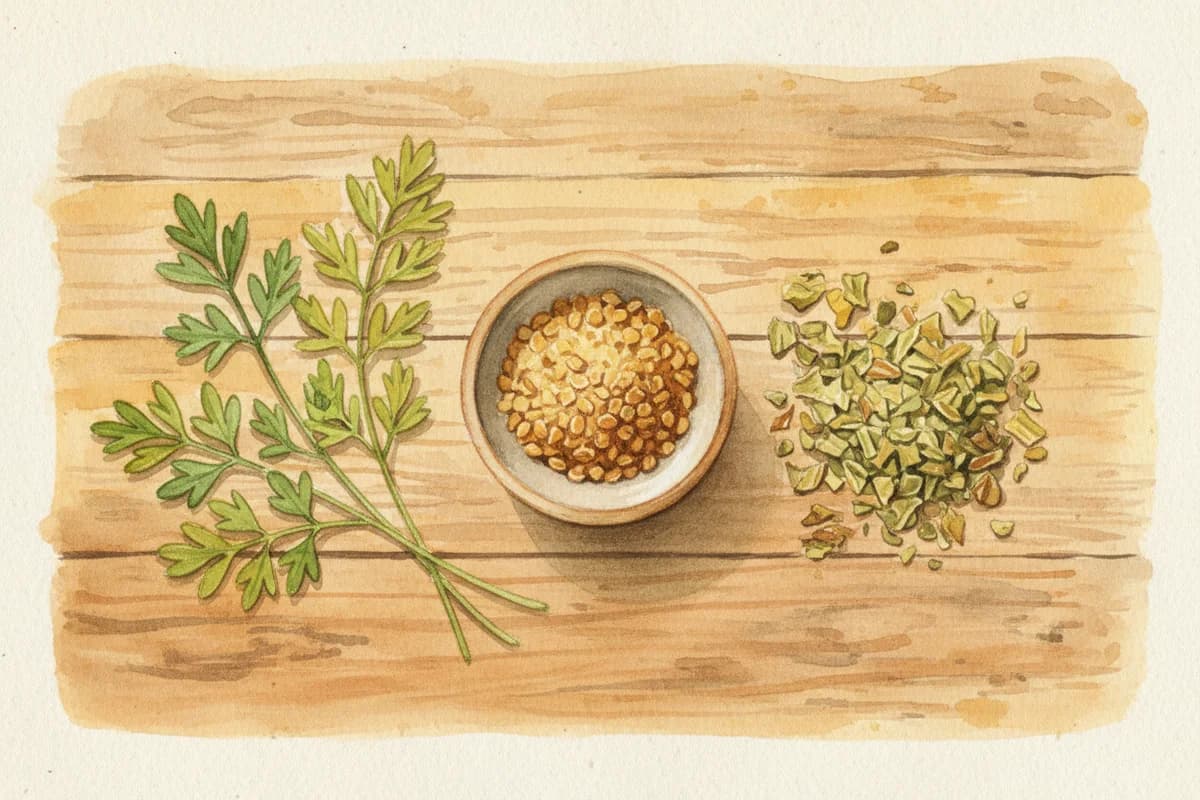
Lentils and legumes (all varieties of dal). Every dal is a PCOS-friendly food. High in protein, fiber, and resistant starch, lentils address insulin resistance directly by slowing glucose absorption and improving insulin sensitivity. Eat dal at every lunch and dinner. Chana dal has the lowest glycemic index of any legume. Non-starchy vegetables in abundance. Karela (bitter gourd) may directly improve insulin sensitivity. Methi (fenugreek) leaves contain compounds that research suggests help regulate blood sugar [5]. Palak, gobhi, beans, tori, lauki, bhindi, and all leafy greens should form 50 percent of your plate. Whole grains and millets. Bajra, jowar, ragi, and whole wheat provide complex carbohydrates with far lower glycemic impact than refined grains. Ragi is particularly valuable for its high calcium and iron content, nutrients many women with PCOS are deficient in. Turmeric with black pepper. Curcumin is one of the most potent anti-inflammatory compounds available. Always combine with black pepper and fat. Use in every dal, curry, and vegetable dish. Dahi and fermented foods. Gut health is increasingly linked to hormonal balance and inflammation. Plain dahi, buttermilk, idli, dosa batter, and traditionally fermented pickles provide probiotics that may support PCOS management. Omega-3 rich foods. Flaxseeds (alsi) are the most accessible Indian source of plant-based omega-3s. One tablespoon of ground flaxseed daily provides approximately 2.5 grams of alpha-linolenic acid. Walnuts are another good source. For non-vegetarians, fatty fish (pomfret, rawas, surmai) 2 to 3 times per week. Nuts and seeds. Almonds, walnuts, pumpkin seeds, and sunflower seeds provide zinc, magnesium, and healthy fats. Pumpkin seeds are particularly notable for their zinc content, which plays a role in androgen metabolism. Fenugreek (methi seeds). Research suggests fenugreek may help with both blood sugar management and hormonal balance. The traditional practice of soaking fenugreek seeds overnight and consuming them in the morning has some clinical support [5].Supportive Foods
Cinnamon (dalchini). Some studies suggest 1 to 3 grams daily may improve insulin sensitivity in women with PCOS. Add to chai, oatmeal, or curries. Ginger (adrak). Anti-inflammatory and may help with menstrual pain. Use fresh in cooking and tea. Amla (Indian gooseberry). Rich in vitamin C, which supports adrenal function and may help modulate cortisol, a hormone that interacts with insulin and androgens. Coconut. Medium-chain triglycerides in coconut may improve insulin sensitivity. Use coconut oil for cooking, coconut milk in curries, or fresh coconut as a snack. Green tea or tulsi tea. Both contain compounds that research suggests may have anti-androgenic properties, though the evidence is preliminary.Foods to Limit or Avoid
Refined carbohydrates. Maida products (naan, white bread, biscuits, pastries, samosa sheets), polished white rice in large portions, and packaged instant foods. These spike insulin rapidly, worsening the core PCOS driver. Sugar and sweetened foods. Mithai, sweetened chai, packaged juices, soda, flavored yogurts, and desserts. Sugar directly spikes insulin and promotes inflammation. This is the single most important food to reduce. Trans fats and vanaspati. Found in many packaged snacks, bakery items, and street food. Directly promote inflammation and worsen insulin resistance. Eliminate completely. Excessive dairy (debated). Some PCOS protocols recommend limiting dairy because it contains insulin-like growth factor 1 (IGF-1) and may stimulate androgen production. The evidence is mixed. If you tolerate dairy well, moderate consumption of dahi and paneer is likely fine. If your symptoms are severe, try reducing dairy for 4 to 6 weeks and observe. Processed soy in large amounts. Moderate soy (like edamame or tofu) is fine, but excessive processed soy products may affect hormonal balance due to phytoestrogens. Excessive caffeine. More than 2 cups of coffee or 3 cups of tea per day may increase cortisol, which can worsen insulin resistance. Moderate is fine. Alcohol. Increases inflammation, disrupts hormonal balance, and adds empty calories. Limit significantly or avoid.The PCOS Indian Plate Structure
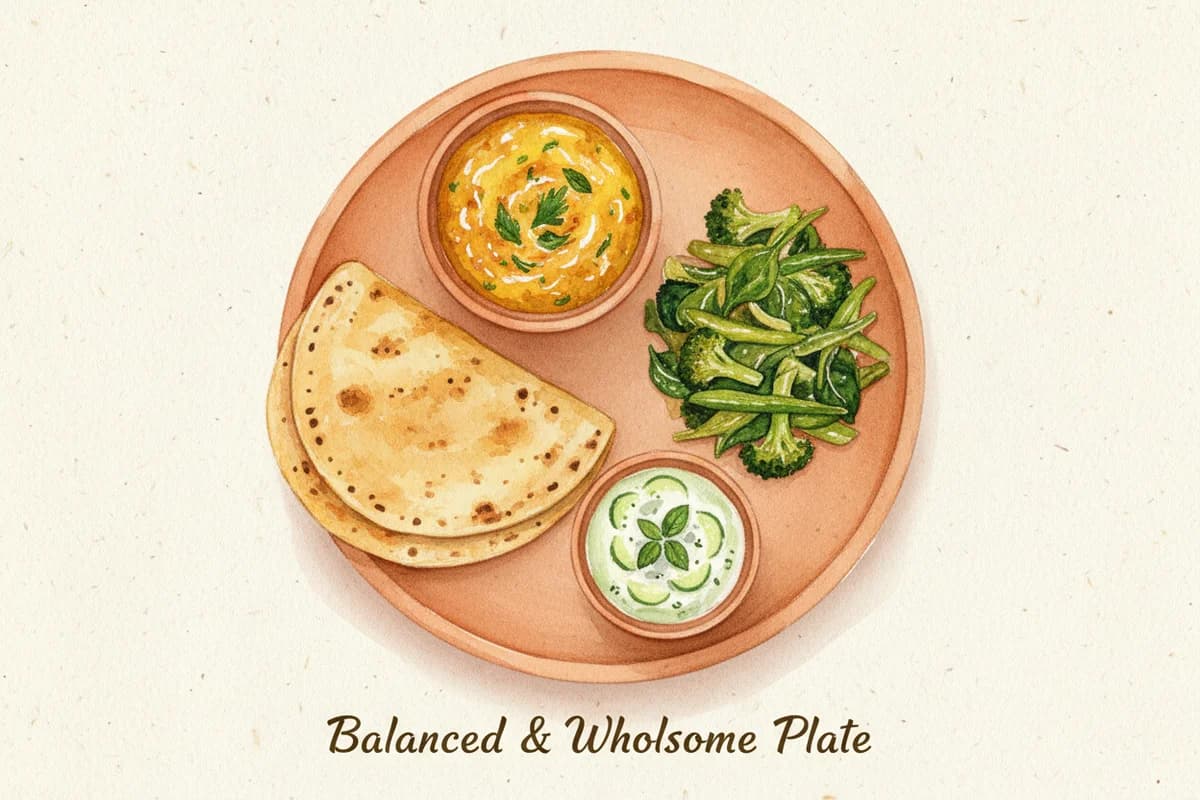
At every meal, aim for this distribution:
- 50 percent non-starchy vegetables (sabzi, salad, raita)
- 25 percent protein (dal, paneer, egg, chicken, fish, sprouts)
- 20 percent complex carbohydrate (1 millet roti or small serving of rice)
- 5 percent healthy fat (ghee, nuts, seeds, or cooking oil)
7-Day PCOS Meal Plan
Day 1
- Early morning: Warm water + 1 tsp soaked fenugreek seeds
- Breakfast: Moong dal chilla (2) with mint chutney + 1 small bowl dahi
- Mid-morning: 10 almonds + 1 guava
- Lunch: 1 bajra roti + palak dal + aloo-free mixed vegetable sabzi + salad
- Snack: Buttermilk with roasted cumin + 1 tbsp pumpkin seeds
- Dinner: Grilled paneer tikka + lauki ki sabzi + half cup brown rice
Day 2
- Early morning: Warm water with lemon + fenugreek seeds
- Breakfast: Vegetable oats cheela with turmeric + green chutney + dahi
- Mid-morning: 1 apple + 5 walnuts
- Lunch: 1 jowar roti + rajma (cinnamon, turmeric) + cucumber raita + green salad
- Snack: Roasted makhana + green tea
- Dinner: Fish curry (turmeric, ginger) + steamed vegetables + half cup basmati rice
Day 3
- Early morning: Methi water (soaked seeds)
- Breakfast: Idli (2) with sambar + coconut chutney
- Mid-morning: Mixed seeds (pumpkin, sunflower, flax) + 1 orange
- Lunch: 1 ragi roti + masoor dal + bhindi sabzi + raita
- Snack: Sprouted moong chaat with lemon
- Dinner: Chicken stew with vegetables (ginger, turmeric) + 1 small roti
Day 4
- Early morning: Fenugreek water
- Breakfast: Besan cheela (2) with dahi + amla pickle
- Mid-morning: Handful of almonds + berries or jamun
- Lunch: 1 bajra roti + chana dal + baingan bharta + salad
- Snack: Chaas + roasted chana
- Dinner: Tofu and vegetable stir fry (turmeric, ginger, garlic) + half cup brown rice
Day 5
- Early morning: Warm water + fenugreek seeds
- Breakfast: Dosa (1) with sambar + coconut chutney
- Mid-morning: 1 small pear + pumpkin seeds
- Lunch: 1 roti + toor dal + methi sabzi + raita
- Snack: Golden milk (turmeric, pepper, cinnamon in warm milk)
- Dinner: Egg curry (2 eggs, turmeric, tomato) + steamed vegetables + small roti
Day 6
- Early morning: Methi water
- Breakfast: Overnight oats with ground flaxseed, cinnamon, walnuts, and dahi
- Mid-morning: 1 guava + almonds
- Lunch: 1 jowar roti + dal makhani (home-style, moderate ghee) + gobhi sabzi + salad
- Snack: Roasted makhana with turmeric + chaas
- Dinner: Grilled fish with lemon + stir-fried greens + half cup rice
Day 7
- Early morning: Fenugreek seeds + warm water
- Breakfast: Methi paratha (1, whole wheat) + dahi + green chutney
- Mid-morning: Mixed nuts + 1 apple
- Lunch: 1 ragi roti + sambar + avial + rasam
- Snack: Sprouted chana chaat + tulsi tea
- Dinner: Paneer bhurji with vegetables + 1 small roti + salad
Customize this plan using our diet planner and track dish-level nutrition with our nutrition calculator.
Key Nutrients for PCOS and Their Indian Food Sources
Inositol
Research shows myo-inositol may improve insulin sensitivity and ovulatory function in women with PCOS [3]. Indian food sources include chickpeas (chole, chana), rajma, citrus fruits, and brown rice. A serving of chole provides approximately 150 milligrams of inositol.
Chromium
Enhances insulin receptor activity. Found in whole grains (especially bajra), lentils, broccoli, and spices. Indian diets that include millets and daily dal typically provide adequate chromium.
Zinc
Important for androgen metabolism and immune function. Pumpkin seeds, sesame seeds (til), chickpeas, and lentils are excellent Indian sources. One tablespoon of pumpkin seeds provides about 1 milligram of zinc.
Magnesium
Deficiency is common in PCOS and worsens insulin resistance. Ragi (finger millet) is one of the best Indian sources. Green leafy vegetables, almonds, and pumpkin seeds also provide significant amounts.
Vitamin D
Deficiency is extremely common in Indian women with PCOS (some studies show 60 to 80 percent prevalence). While food sources are limited, fatty fish, egg yolks, and fortified dairy contribute. Most women with PCOS need supplementation, which should be guided by a blood test and doctor's recommendation.
Omega-3 Fatty Acids
Anti-inflammatory and may improve hormonal balance. Ground flaxseed (1 tablespoon daily), walnuts (a handful daily), and fatty fish (2 to 3 servings weekly) are the best Indian dietary sources.
Lifestyle Factors That Amplify Diet
Diet alone does not fully manage PCOS. These lifestyle factors work synergistically:
Exercise. Both resistance training and moderate cardio improve insulin sensitivity. Even 30 minutes of brisk walking daily makes a measurable difference. The combination of strength training (3 times per week) and walking (daily) is the most evidence-supported exercise approach for PCOS. Sleep. Poor sleep worsens insulin resistance and increases cortisol. Aim for 7 to 8 hours. Maintain consistent sleep and wake times. Stress management. Chronic stress elevates cortisol, which worsens insulin resistance and androgen production. Yoga, meditation, pranayama, and regular physical activity all help. Weight management (if applicable). Research suggests that even a 5 to 10 percent reduction in body weight can significantly improve PCOS symptoms, including menstrual regularity and hormone levels [2]. The meal plan above is designed for moderate caloric restriction while maintaining nutritional adequacy.Common Questions
"Should I go keto for PCOS?"
Low-carb approaches may help some women with PCOS in the short term by reducing insulin levels. However, extreme carb restriction is difficult to sustain, can worsen thyroid function (which is already commonly impaired in PCOS), and is not necessary. A moderate approach, reducing refined carbs while emphasizing complex carbs from millets, legumes, and vegetables, is more sustainable and equally effective for most women [2].
"Should I eliminate dairy?"
The evidence is mixed. Try a 4 to 6 week dairy-free trial if your symptoms are severe. Many women find that reducing dairy improves acne and inflammation. If you do remove dairy, ensure adequate calcium from ragi, sesame seeds, leafy greens, and fortified alternatives.
"How quickly will I see results?"
Dietary changes typically take 2 to 3 months to show measurable effects on hormones and menstrual regularity. Blood sugar improvements may be noticeable within 2 to 4 weeks. Be patient and consistent.
The Bottom Line
PCOS is a complex condition, but its dietary management aligns remarkably well with traditional Indian cooking principles: daily dal for protein and fiber, millet rotis over maida, diverse vegetables in every meal, anti-inflammatory spices in every dish, and fermented foods for gut health.
You do not need a Western diet plan. You need an Indian diet plan that returns to traditional foundations while eliminating the modern additions (sugar, refined flour, processed snacks) that worsen insulin resistance and inflammation.
The meal plan above gives you a week of practical, delicious meals. Your grandmother's cooking was already halfway there. The adjustments are smaller than you think, and the impact on your symptoms may be larger than you expect.
Work with your doctor. Track your progress. And trust that the food traditions of your culture, properly applied, are among the most powerful tools available for managing this condition.
Sources and References
- [1] Joshi B, Mukherjee S, Patil A, Purandare A, Chauhan S, Vaidya R. “A cross-sectional study of polycystic ovarian syndrome among adolescent and young girls in Mumbai, India.” Indian Journal of Endocrinology and Metabolism, 2014. View source
- [2] Moran LJ, Ko H, Misso M, Marsh K, Noakes M, Talbot M, Freel M, Thondan M, Stepto N, Teede HJ. “Dietary composition in the treatment of polycystic ovary syndrome: a systematic review to inform evidence-based guidelines.” Journal of the Academy of Nutrition and Dietetics, 2013. View source
- [3] Unfer V, Carlomagno G, Dante G, Facchinetti F. “Effects of myo-inositol in women with PCOS: a systematic review of randomized controlled trials.” Gynecological Endocrinology, 2012. View source
- [4] Barrea L, Arnone A, Annunziata G, Muscogiuri G, Laudisio D, Salzano C, Pugliese G, Colao A, Savastano S. “Adherence to the Mediterranean Diet, Dietary Patterns and Body Composition in Women with Polycystic Ovary Syndrome (PCOS).” Nutrients, 2019. View source
- [5] Neelakantan N, Narayanan M, de Souza RJ, van Dam RM. “Effect of fenugreek (Trigonella foenum-graecum L.) intake on glycemia: a meta-analysis of clinical trials.” Nutrition Journal, 2014. View source
Medical Disclaimer
This content is for educational purposes only. It is not medical advice, diagnosis, or treatment. Consult your doctor or registered dietitian before making dietary changes, especially if you have a medical condition or are taking medication.
If you have polycystic ovary syndrome (PCOS), work with your healthcare provider to develop a diet plan that is right for you. The information below summarizes published research but is not a substitute for personalized medical guidance.
Related Recipes
More on Nutrition
Get Weekly Nutrition Insights
Evidence-based articles on Indian food and health, delivered to your inbox. No spam, no fads, just science.