Table of Contents
Foods You Already Eat That Science Loves
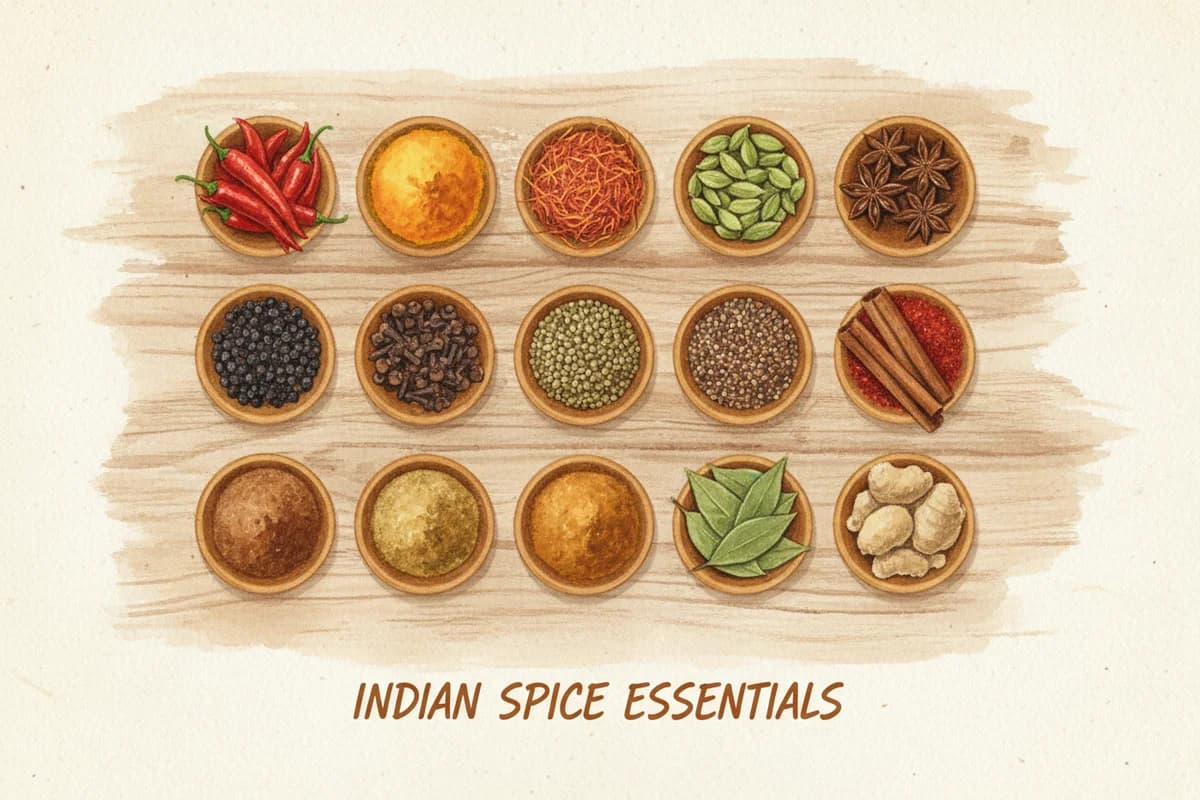
The Western health food industry keeps "discovering" things Indian grandmothers have known for centuries. Turmeric lattes? We call it haldi doodh. Fermented foods? That is dahi with every meal. Here are 20 Indian staples that are quietly among the healthiest foods on the planet.
1. Dal (Any Variety)
The benefit: 18g protein and 16g fiber per cup. Lowers cholesterol. Stabilizes blood sugar. Feeds beneficial gut bacteria. Read the full research. Why it is "secret": People think of dal as poor man's food. It is actually one of the most nutritionally complete foods on earth.2. Turmeric (Haldi)
The benefit: Curcumin is one of the most potent anti-inflammatory compounds studied. May help with joint pain, cognitive function, and mood. Read the research. Why it is "secret": It is so common in Indian cooking that no one thinks of it as a health food.3. Yogurt / Dahi
The benefit: Probiotics for gut health, 10 to 15g protein per cup, excellent calcium source. Associated with lower risk of type 2 diabetes in observational studies. Why it is "secret": It is just something you eat with meals. But daily dahi consumption is one of the best habits you can have. More on gut health.4. Black Pepper (Kali Mirch)
The benefit: Piperine increases absorption of curcumin by 2,000% and enhances absorption of many other nutrients. Read the full story. Why it is "secret": Everyone thinks of black pepper as just "hot." Its real superpower is making everything else more effective.5. Amla (Indian Gooseberry)
The benefit: Contains 20 times more vitamin C than oranges. Powerful antioxidant. Used in Ayurveda for millennia. Why it is "secret": Not well-known outside India, and within India it is considered old-fashioned rather than trendy.6. Methi / Fenugreek
The benefit: May reduce blood sugar, support lactation, and improve testosterone in clinical studies. Full research breakdown. Why it is "secret": People use it for flavor (kasuri methi in butter chicken) without realizing the pharmacological activity.7. Idli
The benefit: Fermented, steamed, and made from rice and lentils. The fermentation increases B vitamins and improves protein digestibility. Steaming means zero added fat. Why it is "secret": People dismiss it as "plain." It is actually an engineering marvel of nutrition delivery.8. Coconut
The benefit: Medium-chain triglycerides (MCTs) may support metabolism. Coconut water is a natural electrolyte drink. Coconut cream adds richness without dairy. Why it is "secret": Demonized during the anti-fat era. Quietly rehabilitated by research.9. Curry Leaves
The benefit: Rich in iron, calcium, and vitamins A and C. Research suggests potential benefits for blood sugar management and cholesterol. Why it is "secret": Most people outside South India throw them out of the dish. Inside South India, they are eaten.10. Ghee
The benefit: High smoke point (no harmful oxidation products), butyric acid for gut health, CLA from grass-fed sources. Full research breakdown. Why it is "secret": Spent 40 years being called unhealthy. The research says otherwise, in moderate amounts.11. Buttermilk (Chaas)
The benefit: Probiotics, easily digestible, hydrating, and virtually zero fat. The traditional Indian "sports drink." Why it is "secret": Sounds boring compared to kombucha. Nutritionally superior for most purposes.12. Sprouted Moong
The benefit: Sprouting increases vitamin C content, improves protein digestibility, and reduces antinutritional factors. A living, enzyme-rich food. Why it is "secret": Seen as simple and old-fashioned. Actually a superfood by any definition.13. Mustard Oil
The benefit: High in omega-3 (alpha-linolenic acid), has a favorable omega-6 to omega-3 ratio, and contains allyl isothiocyanate with antimicrobial properties. Why it is "secret": Banned as a cooking oil in some countries due to erucic acid concerns (though Indian mustard oil has lower levels). Widely used in Bengal and Eastern India.14. Ajwain (Carom Seeds)
The benefit: Contains thymol, a potent antimicrobial. Used traditionally for digestive relief, and research supports its carminative properties. Why it is "secret": A niche spice that most non-Indians have never heard of.15. Makhana (Fox Nuts)
The benefit: Low calorie, high protein (for a snack), rich in antioxidants, and very low glycemic index. The guilt-free snack. Why it is "secret": Just gaining recognition outside India as a "superfood snack." Indians have been roasting them in ghee for generations.16. Ragi (Finger Millet)
The benefit: Highest calcium content of any cereal grain. High in iron and fiber. Very low glycemic index. Why it is "secret": Considered a "poor man's grain" in India. Quietly one of the most nutritious grains available.17. Karela (Bitter Gourd)
The benefit: Contains compounds that may mimic insulin (charantin, polypeptide-p). Research suggests blood sugar-lowering effects. Why it is "secret": People avoid it because it is bitter. That bitterness is the indicator of the bioactive compounds.18. Asafoetida (Hing)
The benefit: Powerful carminative (reduces gas). May have anti-inflammatory and antimicrobial properties. A tiny pinch transforms dal. Why it is "secret": Smells terrible raw. Most people outside Indian cooking have never encountered it.19. Jaggery (Gur)
The benefit: Retains minerals (iron, magnesium, potassium) lost during sugar refining. Used in traditional Ayurvedic remedies for digestion. Why it is "secret": It is still sugar and should be consumed in moderation. But as a sweetener, it is nutritionally superior to refined white sugar.20. Haldi Doodh (Golden Milk)
The benefit: Turmeric + black pepper + fat (milk) in warm liquid. This is the optimal curcumin delivery vehicle. Combine it with cinnamon and ginger for additional anti-inflammatory compounds. Why it is "secret": Re-branded as "golden milk" by Western wellness culture and sold for $6 a cup. Indians have been drinking it for free at home for centuries.The Pattern
Notice something? These are not exotic superfoods. They are everyday Indian pantry staples, daily habits, and grandmother's remedies. The healthiest diet in the world might not require a single supplement or trendy ingredient. It might just require cooking Indian food the way it has been cooked for generations.
For the full nutritional science behind Indian food, explore our nutrition hub. For practical meal planning, try our diet planner.